
Arapaima Fishing
in the Amazon
Explore the Prime Destinations for South America’s
Legendary Giant
Explore the Prime Destinations for South America’s Legendary Giant
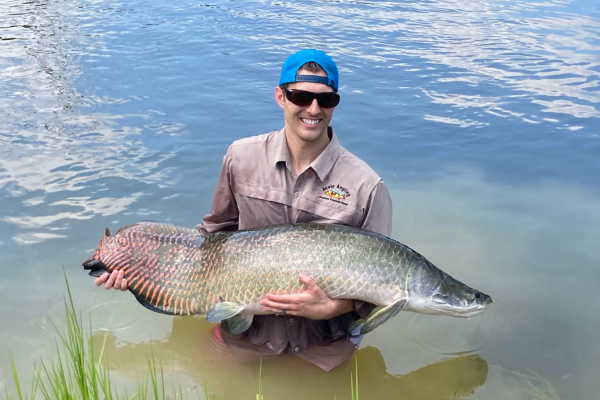
The Arapaima is one of the largest freshwater fish on Earth—and the stuff of Amazon fishing legend. Air-breathing, armor-plated, and capable of explosive surface attacks, these prehistoric predators offer one of the most exhilarating sportfishing experiences in the world.
Acute Angling offers two distinct ways to pursue these giants—each delivering a unique jungle adventure. Whether you're fly casting in the Western Amazon or sight-fishing backwaters near Manaus, our arapaima trips give you front-row access to the Amazon’s most iconic gamefish.
Our Arapaima
Adventures at a Glance
PIRARUCÚ LODGE
Full-Week Arapaima Adventure
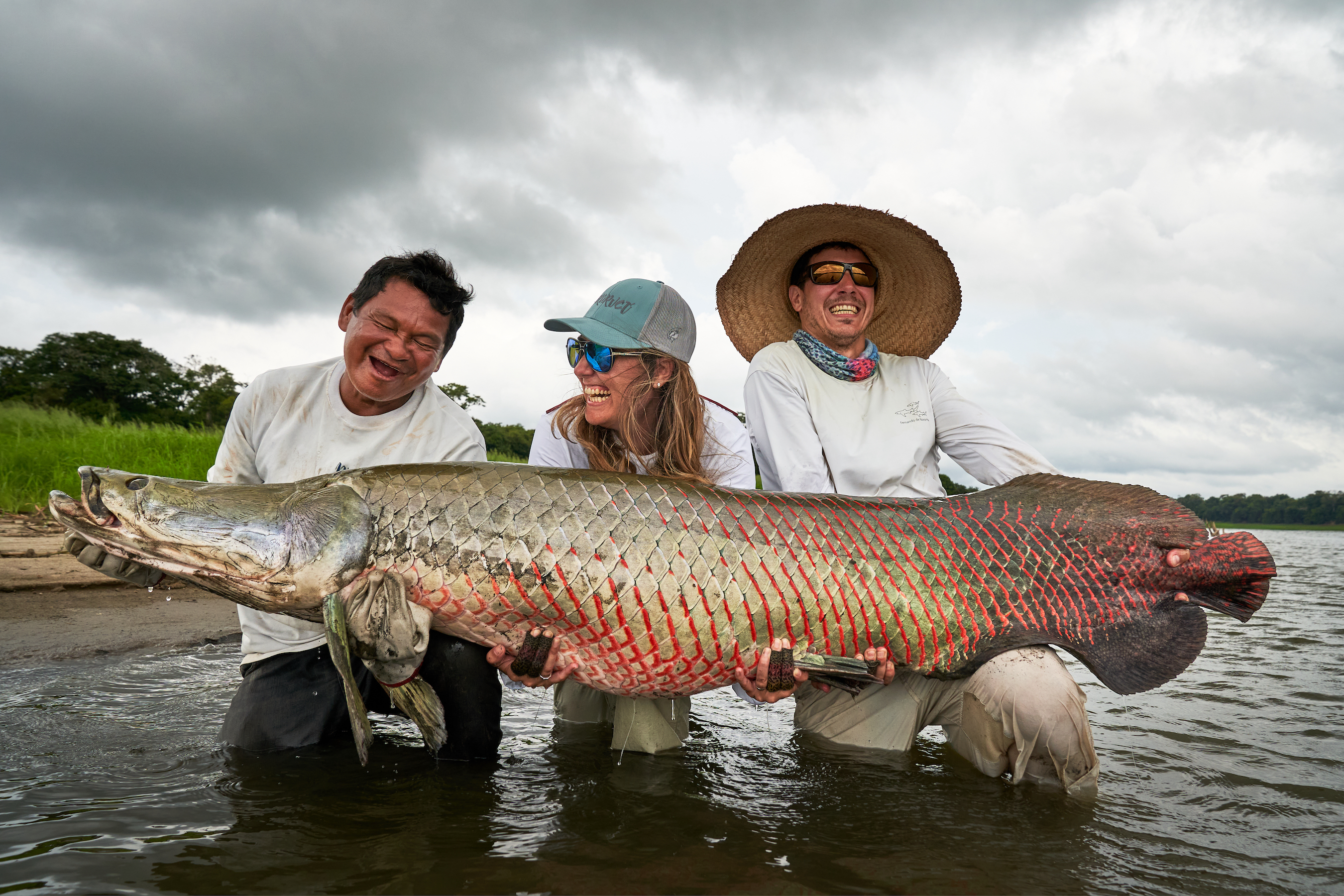
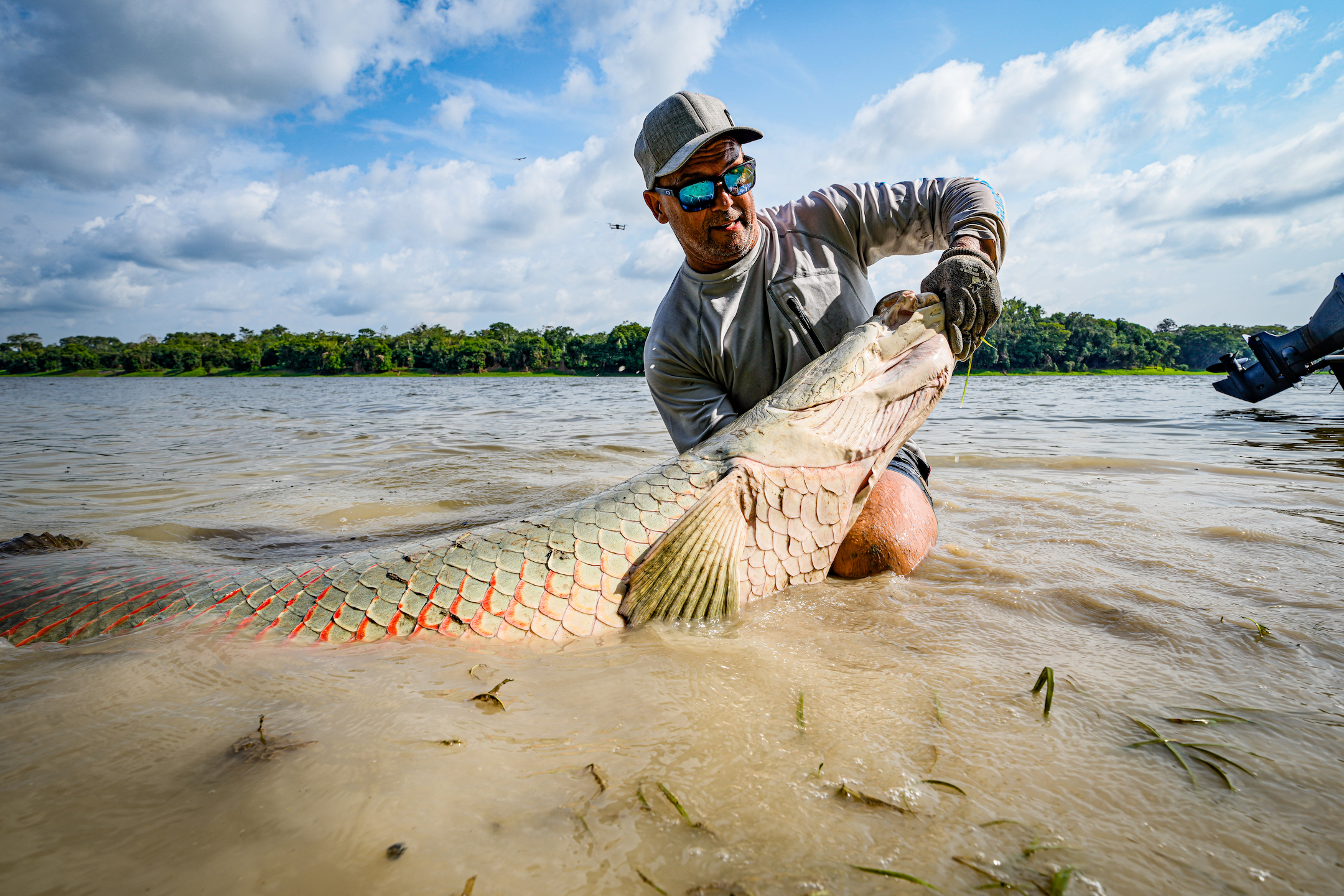
This is one of the only fisheries in the world where anglers regularly land arapaima over 200 pounds. You’ll stay in a floating jungle lodge in the heart of the Mamirauá Reserve and fish exclusive lagoons teeming with air-breathing giants. The trip includes 4–6 full days of guided fishing with professional and indigenous guides. This trip is best for anglers who want a deep, immersive weeklong adventure with giant arapaima in a protected, world-class habitat.


PIRARUCÚ LODGE
Full-Week Arapaima Adventure


This is one of the only fisheries in the world where anglers regularly land arapaima over 200 pounds. You’ll stay in a floating jungle lodge in the heart of the Mamirauá Reserve and fish exclusive lagoons teeming with air-breathing giants. The trip includes 4–6 full days of guided fishing with professional and indigenous guides. This trip is best for anglers who want a deep, immersive weeklong adventure with giant arapaima in a protected, world-class habitat.
Floating Bungalows
This trip provides a great chance at large peacock bass in an intimate jungle setting. These floating bungalows can take you to the most inaccessible headwaters regions.


Remote Waters, Refined Experience
ARAPAIMA DAY TRIP
Short Adventure Near Manaus
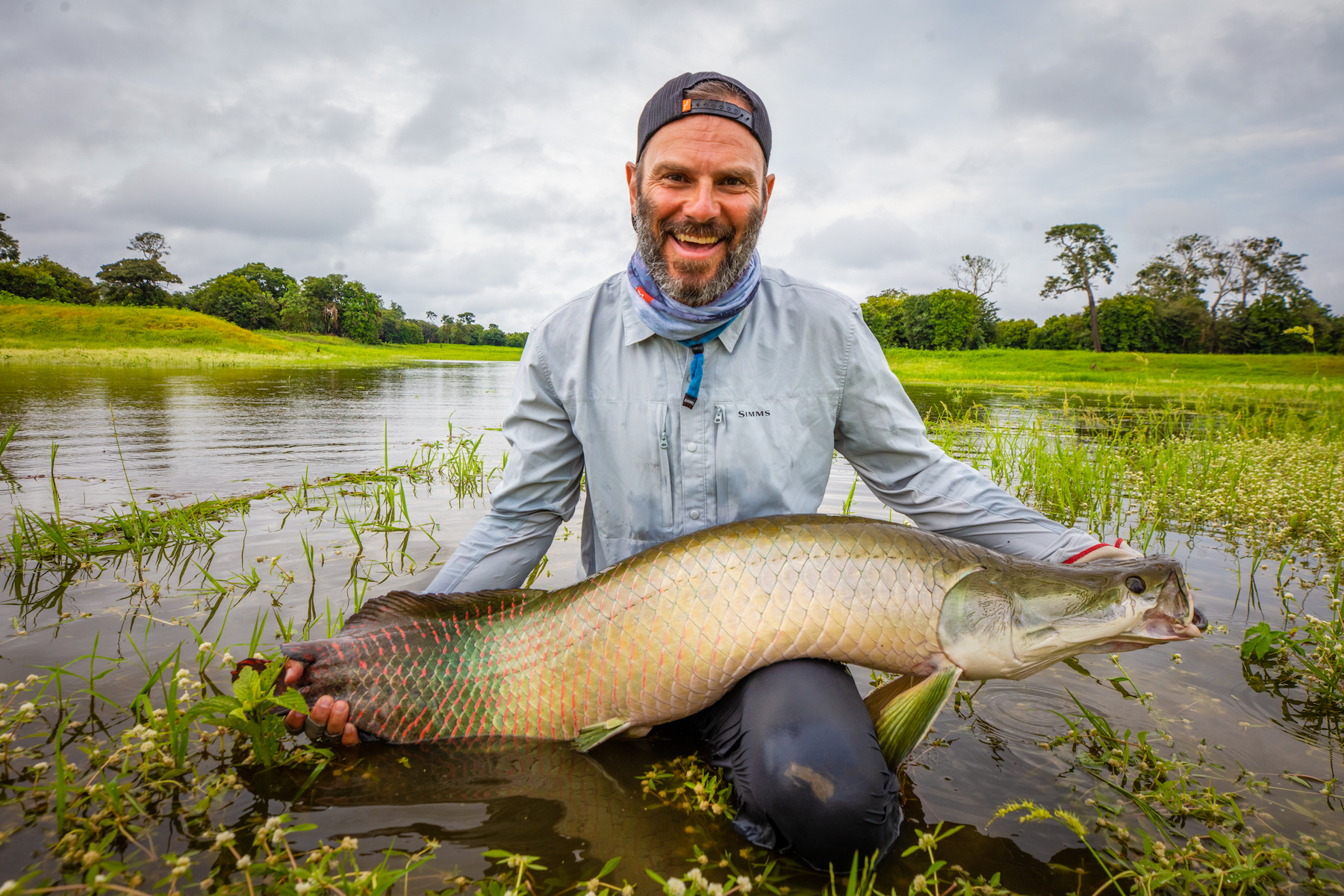
Ideal as a pre- or post-trip add-on, this one-day adventure takes place just outside Manaus in a private, managed lake loaded with arapaima. Sight-casting opportunities abound, and anglers frequently connect with fish between 60–150 pounds.
It’s a high-success option for those wanting to target arapaima without venturing deep into the jungle. This trip is best for anglers with limited time who want a shot at landing an arapaima during a layover or buffer day in Manaus.
Floating Bungalows
This trip provides a great chance at large peacock bass in an intimate jungle setting. These floating bungalows can take you to the most inaccessible headwaters regions.
ARAPAIMA DAY TRIP
Short Adventure Near Manaus
Ideal as a pre- or post-trip add-on, this one-day adventure takes place just outside Manaus in a private, managed lake loaded with arapaima. Sight-casting opportunities abound, and anglers frequently connect with fish between 60–150 pounds.
It’s a high-success option for those wanting to target arapaima without venturing deep into the jungle. This trip is best for anglers with limited time who want a shot at landing an arapaima during a layover or buffer day in Manaus.
Despite their dinosaur-like size and armor-plated scales, arapaima are incredibly graceful predators. They glide through still lagoons, gulping air with a loud whoosh, then explode into action when hooked—often launching into the air like a tarpon. These giants are native to the Amazon and have been revered for centuries by local communities as both a food source and a mythical creature.
Our trips are timed around seasonal conditions that maximize your chances of success. At Pirarucú Lodge, receding water levels in the Mamirauá Reserve concentrate arapaima in landlocked lagoons, where they become highly accessible to anglers. At the Manaus-based day trip site, year-round management and low angling pressure provide a reliable chance at connecting with trophy fish close to the city.
Whether you’re planning a full-scale expedition or just have a buffer day in your travel schedule, we offer the best ways to fish for arapaima in South America. We handle the guides, tackle, logistics, and accommodations—just bring your sense of adventure and get ready for the fight of your life. With decades of experience and access to some of the Amazon’s most productive fisheries, Acute Angling is your trusted outfitter for giant arapaima fishing.
TESTIMONIALS
What others are saying
"There is not a better outfit to go peacock bass fishing with than Acute Angling. They are first class all the way. From start to finish they take great care of you and leave nothing to chance…My expectations for this trip were high and they exceeded that. I guess the best compliment I can give them is I’ve already booked two future trips with them."
- Ashley P.

"The guides and all of the Acute Angling staff are the best. Peacock Bass are in a league of their own! If this is on your check-list, JUST DO IT, you will not be disappointed!"
- T.
“This was one of the best trips I’ve ever been on!...The management made the whole process very easy and provided a ton of info for us leading up to the trip. I honestly can’t rave enough about it. My dad already has another trip booked with them and I will definitely be booking with them in the future on one of their other trips as well. 10/10 experience.”
- Bannon G.
Join Us: Get monthly newsletters, discount offers and new content notifications exclusively for our members. Join for FREE below with your name and email.
Join Us: Get monthly newsletters, discount offers and new content notifications exclusively for our members. Join for FREE below with your name and email.
Read Our Newest Blogs
Lorem ipsum dolor sit amet, consectetur adipiscing elit. Aliquam

How to Catch Peacock Bass: A Quick Overview of Tactics and Techniques
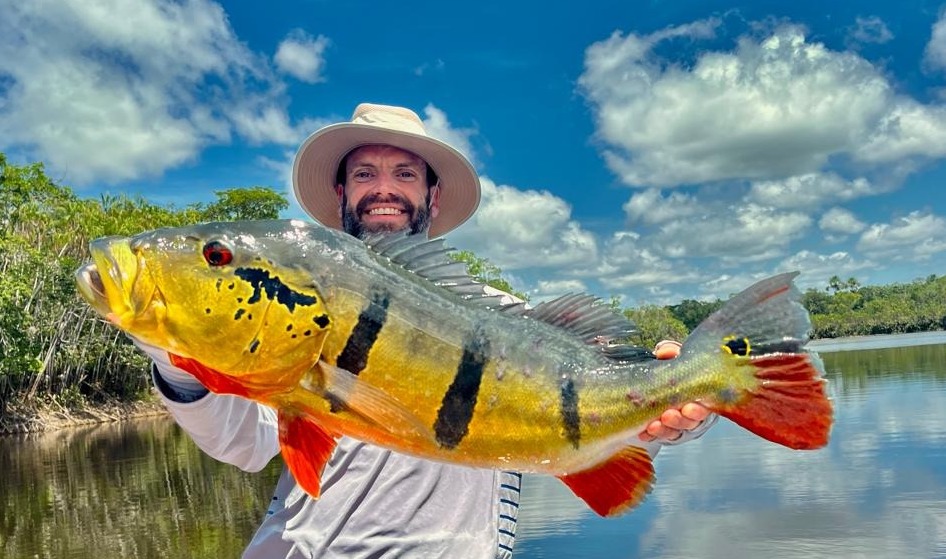
How to Catch Peacock Bass in the Amazon
The Amazon basin is rich with structure that attracts peacock bass, but knowing how to locate and catch them takes more than luck—it takes timing, expertise, and the right guidance.
You won't find giant peacock bass (Cichla temensis) in Florida, Panama, or Hawaii. These record-class fish are native only to the Amazon. And once you're there, the real challenge begins: finding fish in waters that are actually fishable. Water level, temperature, oxygen content, food availability, and spawning cycles all influence where peacock bass will be—and whether they’ll bite.
When water levels are too high, baitfish—and the peacocks chasing them—retreat deep into the flooded jungle. When the water is too low, fish move to deep river channels, where they’re difficult to target. The ideal water level is just below the river’s natural bank line. That’s when peacocks concentrate in backwaters, lagoons, and floodplain structures—prime zones for productive peacock bass fishing.
This is Acute Angling’s single most important role: to put you in the right place at the right time. Our operations are designed to track seasonal movements and position anglers where fish are both present and catchable.

Getting Peacock Bass to Bite
Even in perfect water, you still need to make them strike. Fortunately, peacock bass are aggressive predators that respond well to both visual triggers and motion.
There are two main ways to get them to eat: one is to present a lure they want to ambush, and the other is to provoke a territorial or competitive reaction. Both methods are effective when done right.
This is where your guide comes in. Their job is to match you with the right lure or fly, explain where and how to cast, and help you dial in your presentation. Your job? Trust your guide—and follow their lead.
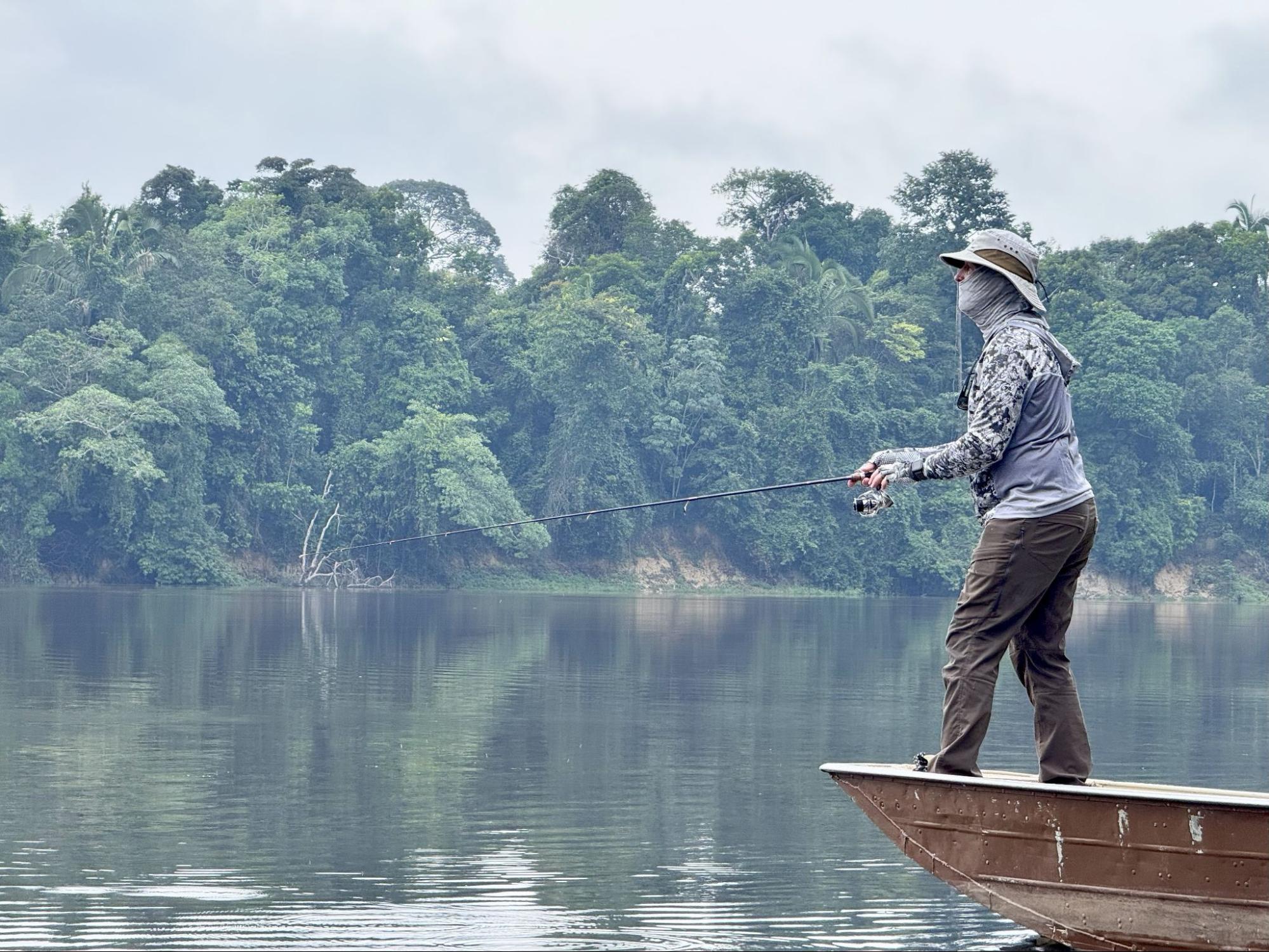
Where to Cast and Why It Matters
Peacock bass are what biologists call “keystone predators”—apex hunters whose presence shapes the ecosystem around them. That means they’re usually tied closely to structure: rocks, log jams, flooded timber, points, submerged brush, and sandbars.
But conditions vary. Peacock bass are sometimes found in open water, especially when guarding fry or patrolling for baitfish. They may also follow schools of bait into unexpected places. That’s why casting strategy changes with the setting. Guides may instruct you to fish tight to wood, fan-cast an open lagoon, or probe transitions between current and slack water.
Precision casting is critical. Even a few inches can mean the difference between a ferocious hit or a complete miss. Make sure to cover water thoroughly and don’t assume an area is empty after one cast. Fish can be holding inches from a log or just below a surface break.
During spawning, peacocks often vacate normal holding spots and build nests on clean, sandy bottoms in three to six feet of water. These beds are usually guarded, and peacocks will attack anything that enters their zone. A well-placed cast can trigger a violent response.
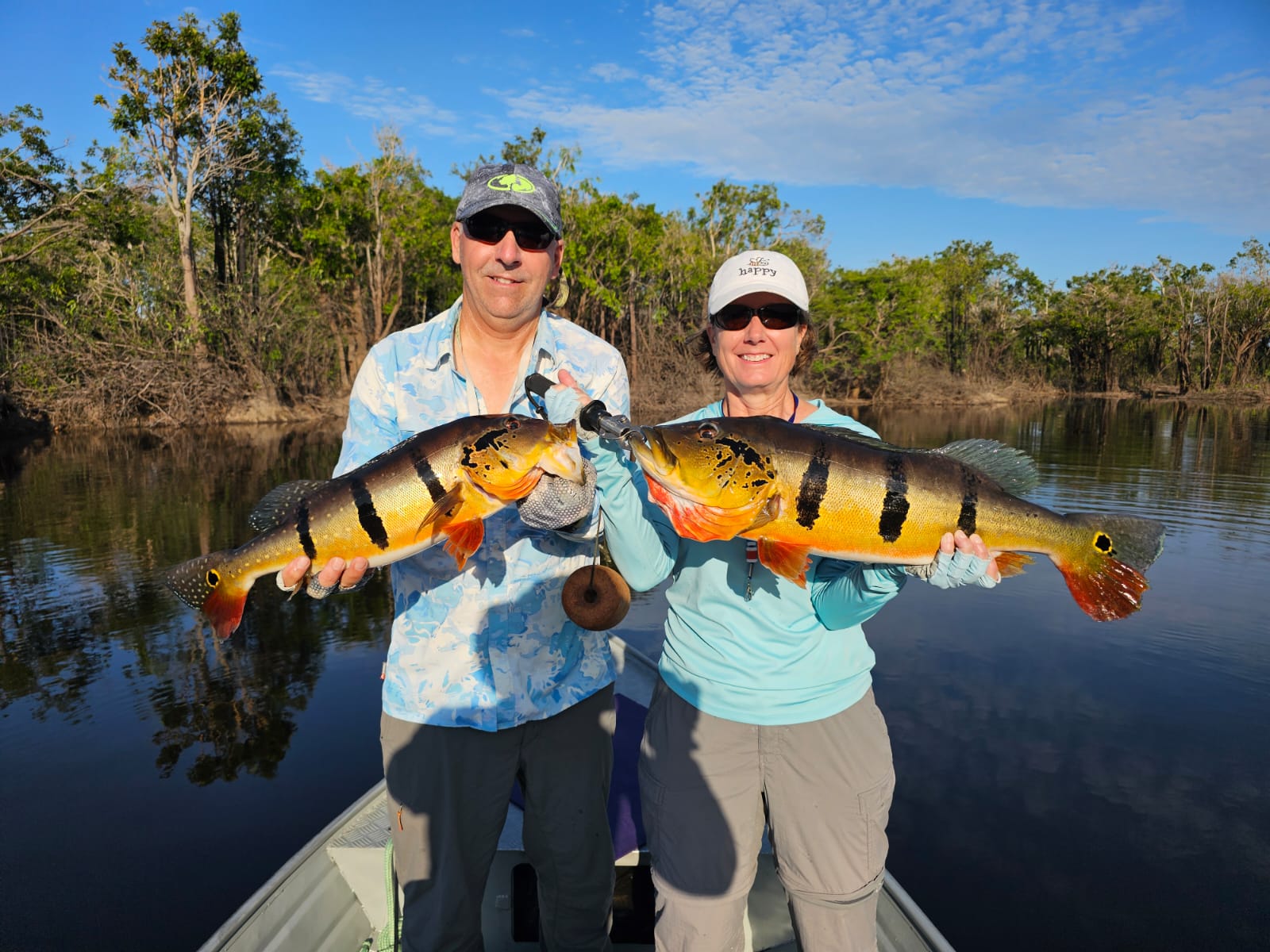
Feeding Frenzies and Fast Action
Peacocks often hunt in small groups. When baitfish are balled up, they’ll charge in and feed aggressively, creating a surface explosion of frothing water and slashing strikes.
When you see this happen, cast immediately into the action. The quicker your lure hits the water, the better your chance at a hookup. Peacocks are greedy and ultra-competitive when in groups. If one fish is hooked, others often stay nearby—drawn to the sound and vibration of the fight.
Always cast near a hooked fish if your partner gets a strike. A second hookup is common. If the action fades, fan-cast the surrounding area. Frenzies may restart without warning.
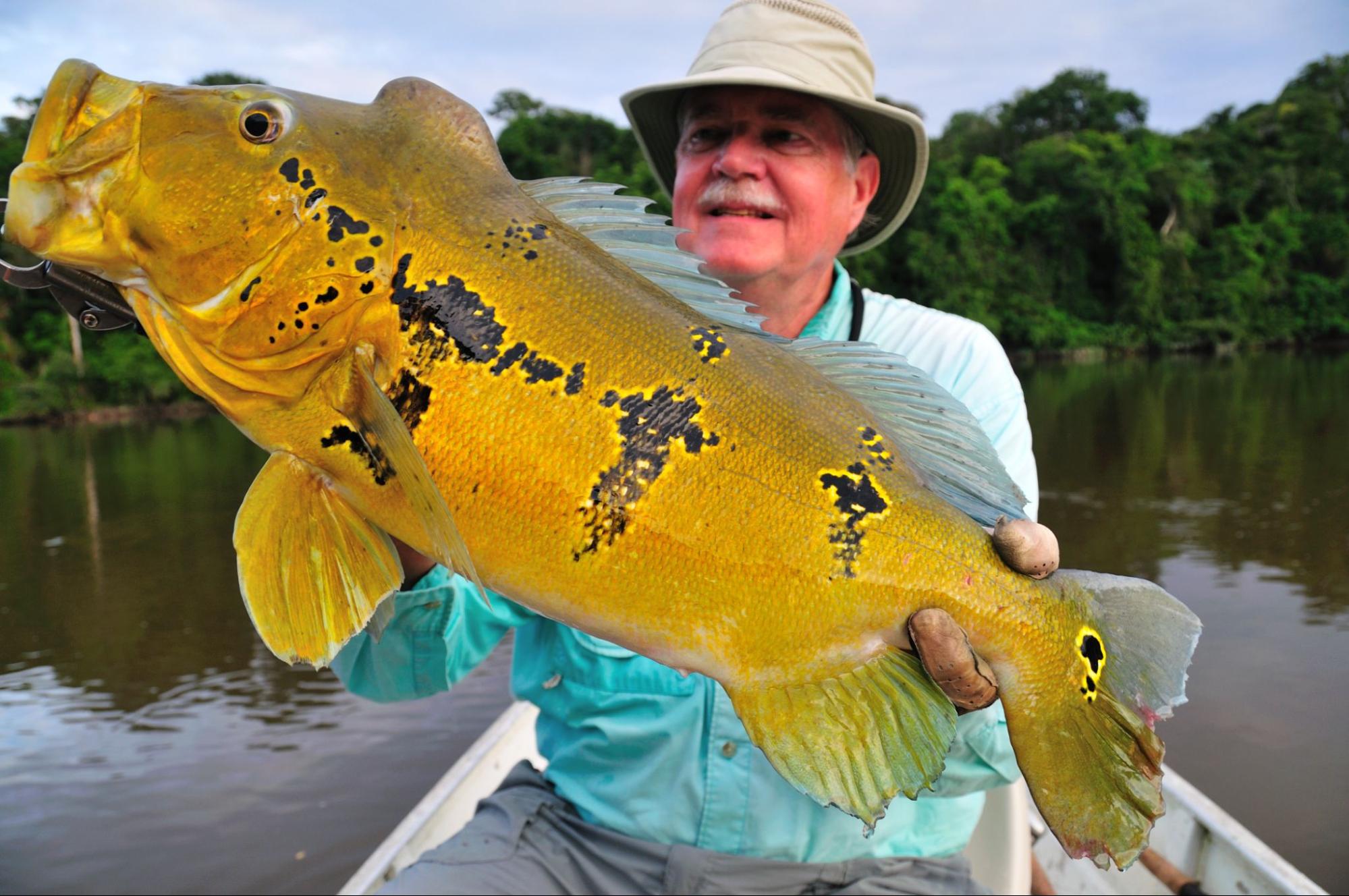
Adapting to Low Oxygen or Heat
During long periods of dry, hot weather, oxygen levels drop in still water. When this happens, peacock bass may move from the lagoons into the main river channel in search of cooler, more oxygen-rich water.
There, they often hold near structure such as rock piles, bushes, points, or deep sandbars. The mouths of lagoons can also become prime holding zones, especially when flowing water draws in baitfish.
Understanding how heat and oxygen influence fish behavior is one of the keys to consistent success—and your guide will factor it into your fishing plan.
Hooking Techniques
Peacocks hit hard—but they don’t always take the lure cleanly on the first pass. They’ll often swipe at or knock a lure into the air before coming back around to eat it.
It’s critical not to set the hook too early. Wait until you feel the fish’s weight. Only then should you drive the hook home with a firm, aggressive set.
Even large peacocks sometimes hold the lure in their mouth without being hooked. Don’t assume a fish is secure just because it’s pulling drag. If your hook isn’t buried, they may let go mid-fight.
If the fish swirls but doesn’t eat, keep the lure moving. A sudden pause often kills the bite. But if they vanish completely, cast a jig or subsurface lure right back to the spot. Many anglers score second or third chances this way.
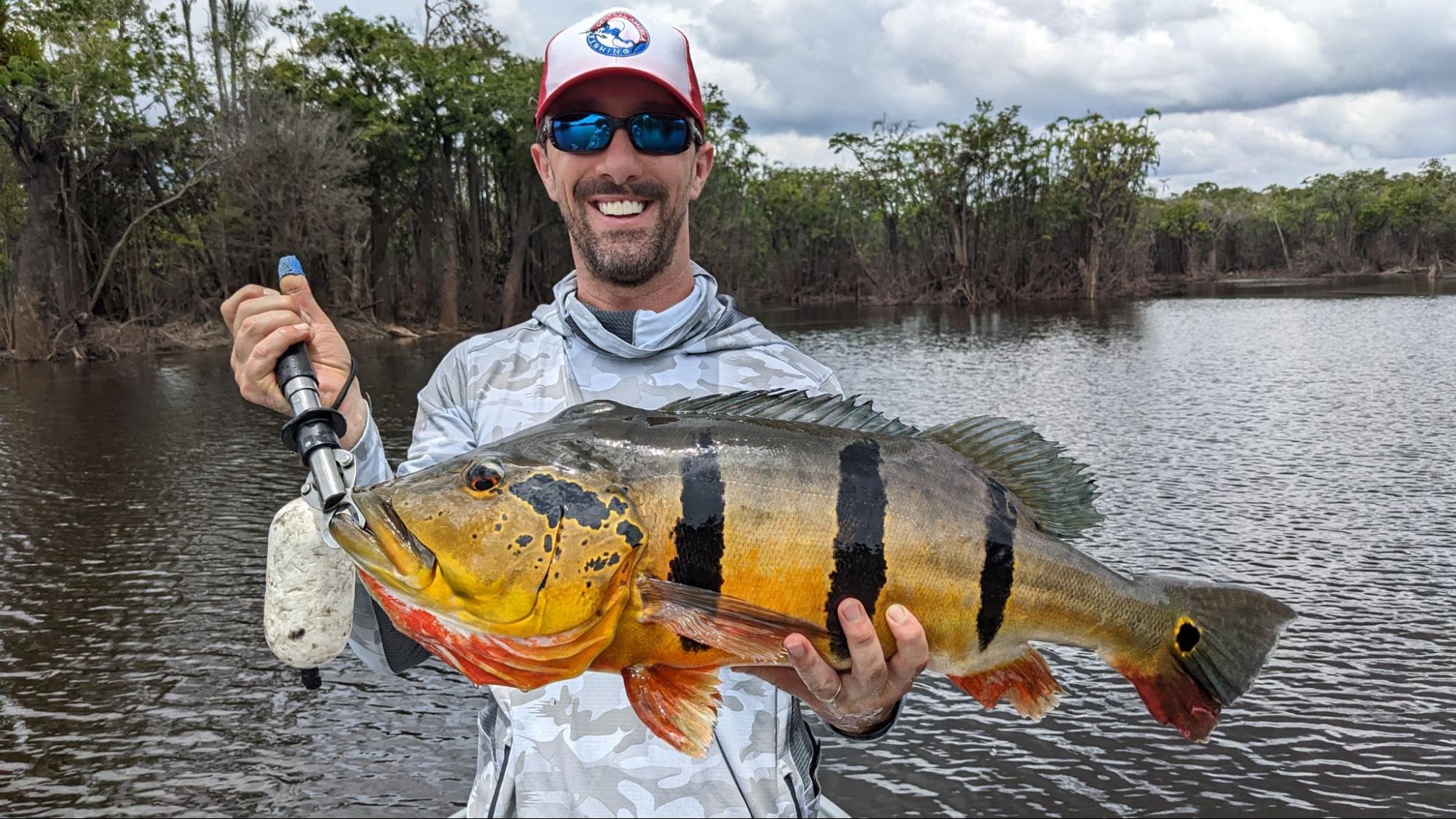
Landing a Peacock Bass
Peacock bass are strong. Very strong. Even mid-sized fish can destroy lures, break hardware, straighten hooks, and snap heavy line.
When hooked, they’ll often head straight for cover. If this happens, apply side pressure—pull the rod low and to the side—to try and steer them out. If you tighten your drag too much, the fish will likely break off. If they make it into cover, don’t give up. Back off the pressure. Often, the fish will free itself, especially when the boat approaches.
Even when they’re near the boat, peacocks are notorious for last-minute surges. Always keep your drag properly set to absorb those sudden runs.
Lure, Fly, and Gear Considerations
Lure choice is influenced by water clarity, light, and time of day. In general, smaller lures or jigs will catch more fish, while large topwater lures like woodchoppers often draw the biggest bites.
Light-colored lures tend to work best in bright conditions, while darker shades are more visible in overcast skies or stained water.
Fly anglers should come prepared with baitfish imitations in varying sizes and colors, including flashy streamers and divers. Stout rods, tropical lines, and aggressive tapers are essential.
Most importantly, listen to your guide. They know what works and when to change. And check out our Lures for Amazon Peacock Bass Fishing article.

Final Thoughts: Fish Smart, Fish Hard
Catching Amazon peacock bass is never just about casting blindly into the jungle. It’s about understanding the fish, reading the water, and adjusting your approach to match constantly changing conditions. Whether you’re tracking down a school of feeding fish or coaxing a reluctant giant from under a log, success comes to the anglers who stay alert, adapt quickly, and trust their guide.
With the right tackle, smart strategies, and an experienced guide by your side, your Amazon fishing trip becomes more than just a vacation—it’s an adventure filled with explosive strikes, hard fights, and unforgettable moments. Whether you’re chasing numbers or hunting for a trophy, there’s nothing quite like the thrill of catching peacock bass in their wild, natural home.
Now join us on a peacock bass fishing adventure!
📧 (866) 832-2987
(866) 832-2987


