

Current Fishing Trip Specials
Some fishing weeks are harder to fill than others due to holidays, seasonal booking patterns, or last-minute cancellations. When these opportunities arise, we offer special pricing on select trips to help anglers take advantage of available dates.
Explore our current specials below and find your next fishing adventure at an exceptional value. These offers are available on select dates and may change as availability changes.

Xingu River Independence Day Special
TWO SPOTS LEFT
June 26 – July 3, 2027 | Brazil
Celebrate Independence Day a little differently this year! Spend a week chasing payara, giant catfish, bicuda, and peacock bass on Brazil’s legendary Xingu River, then extend your adventure with a special discounted arapaima day trip on July 4th.
This is a unique opportunity to experience two incredible Amazon fishing adventures in one trip. Take advantage of our Fourth of July special and make your 2027 holiday one to remember.
Available dates: June 26 – July 3, 2027
Bonus offer: Special pricing on an arapaima day trip on July 4, 2027
Missed a Special? Get the Next One.
Our fishing specials change throughout the season as new opportunities open up. While past deals may no longer be available, they’re a great example of the savings that can come along. Sign up for our newsletter to be the first to hear about new specials, last minute deals, and opportunities to get out on the water for less.
PAST DEAL
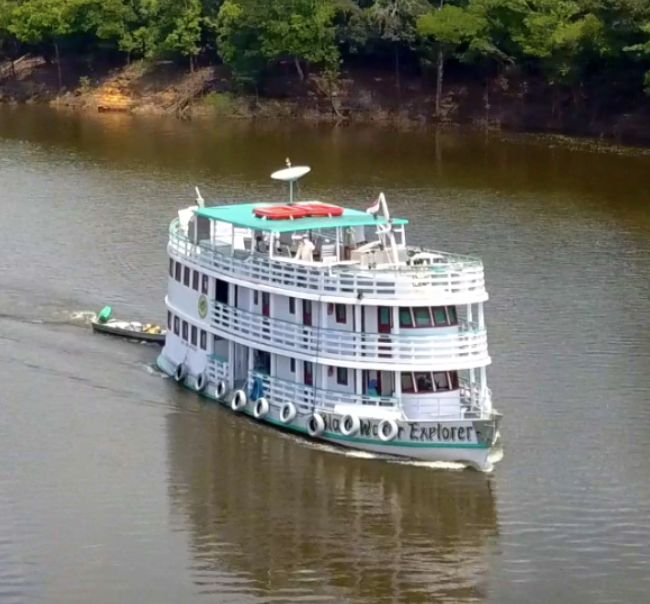
Acute Angling offered a special Thanksgiving promotion for the Blackwater Explorer in 2026, giving anglers $1,000 off their spot.
This limited-time discount provided a great opportunity to experience an unforgettable Amazon fishing adventure at a reduced price.
PAST DEAL

Acute Angling partnered with Pastor Odali and his family to help address an urgent need for clean water in their local community. Anglers received $2,000 off their trip while helping fund a well for a widow and six neighboring families.
Acute Angling pledged $1,000 per booking toward the project, combining an incredible fishing opportunity with a meaningful impact on the community.
Join Us: Get monthly newsletters, discount offers and new content notifications exclusively for our members. Join for FREE below with your name and email.
Join Us: Get monthly newsletters, discount offers and new content notifications exclusively for our members. Join for FREE below with your name and email.
Read Our Newest Blogs
Lorem ipsum dolor sit amet, consectetur adipiscing elit. Aliquam
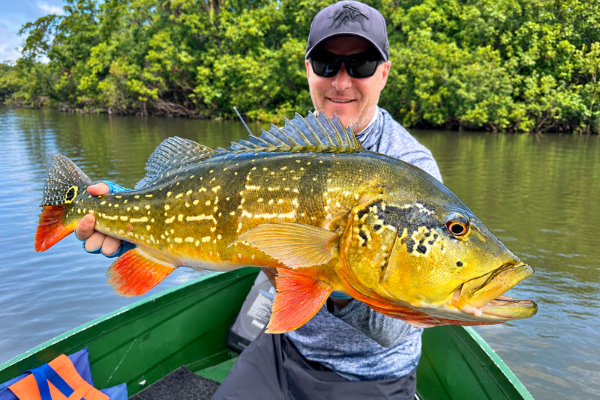
Amazon Peacock Bass Fishing: What Every Bass Angler Should Know
Bass fishing. Just saying that phrase makes my heart beat a little faster.
As a Midwestern angler, I fish for a variety of species. Walleye, perch, crappie, pike, bluegill and, of course, bass. Smallmouth and largemouth bass. My favorite? Topwater bass fishing. But I'll throw tube jigs, Rapalas, crankbaits, stickbaits, Senkos, jerkbaits and just about anything else if I think I might land a big one. I love it. The strike, the fight and, of course, sharing pictures later with friends.
In the summer of 2000, I moved to Minnesota. I had grown up in the high desert around the Rocky Mountains, where our fishing options were mostly limited to trout. Sometimes someone would even land a big one, maybe 16 inches long. I was completely unprepared when I landed my first 19-inch, 4½-pound smallmouth bass.
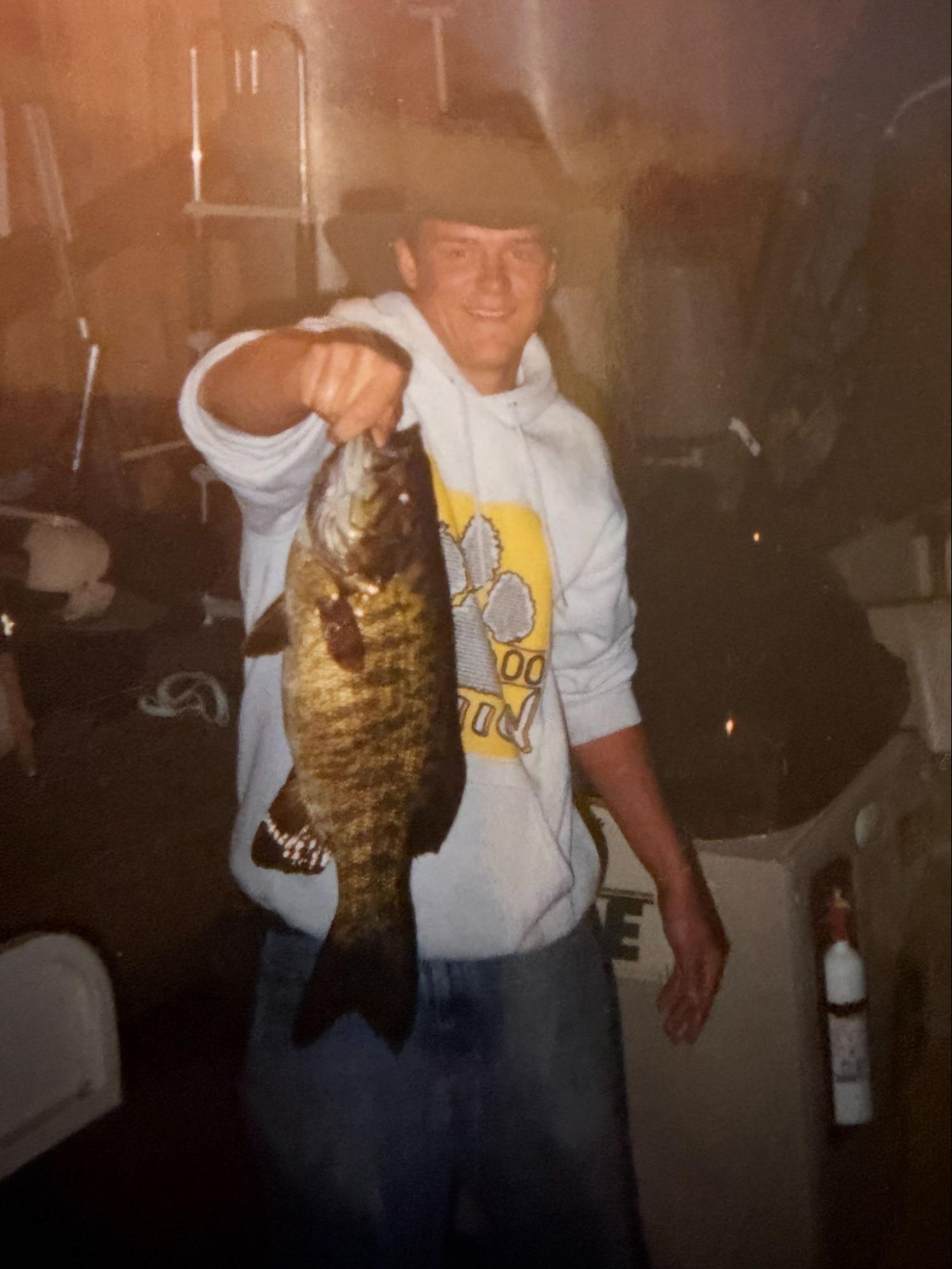
I caught it on a Jitterbug. I had spent hundreds of casts figuring out exactly how to make that lure wobble and create just the right amount of noise during a slow retrieve. I had found that bringing it in about six feet and then pausing for a couple of seconds seemed to work best.
So there I was, on a late summer evening, casting my Jitterbug along a rocky point. Suddenly, the still water erupted. My line went taut, and I set that hook for all I was worth. I was practically panting when I finally boated that smallmouth.
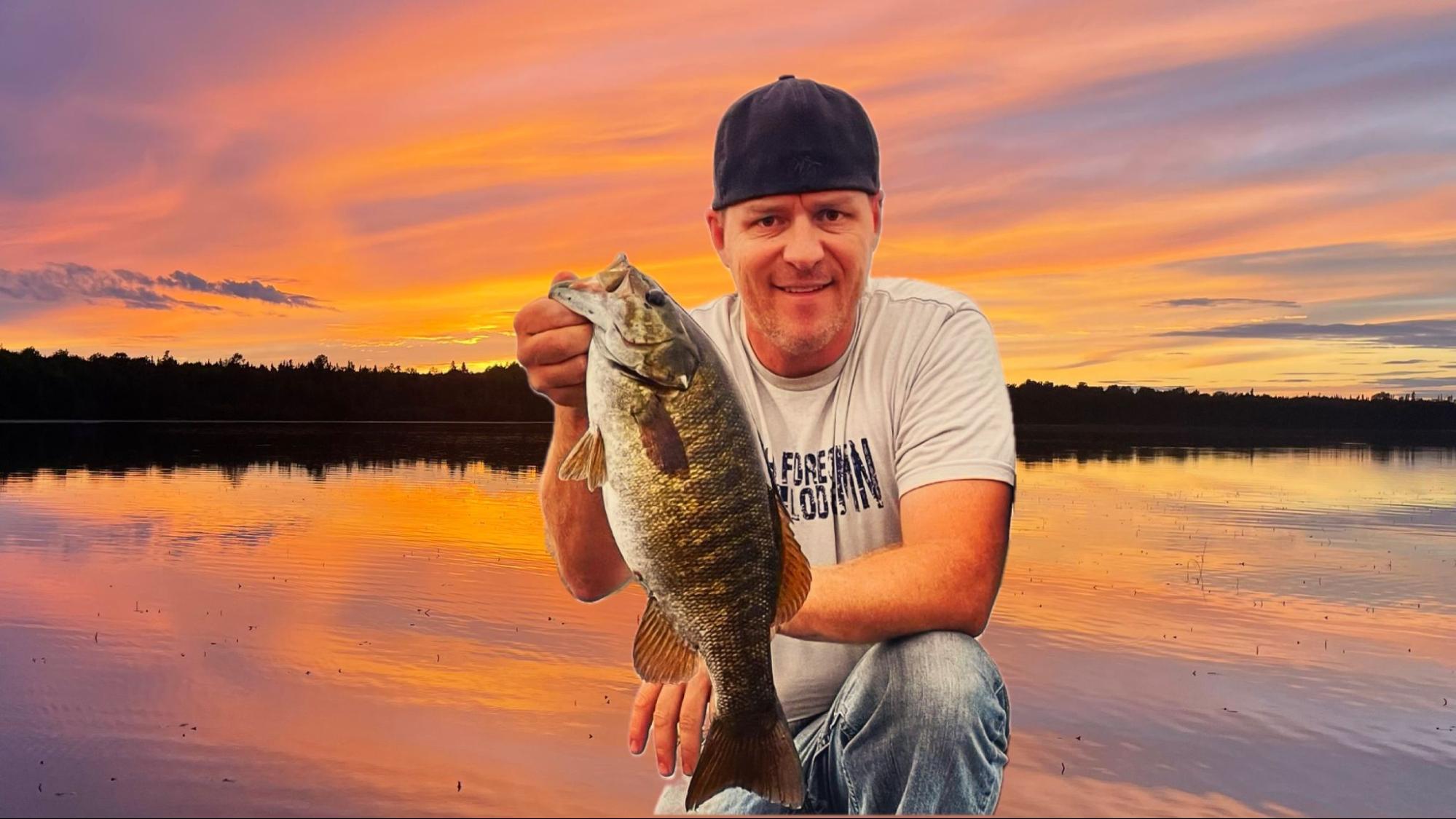
Sure, I had landed dozens of two- and three-pound largemouth and smallmouth bass that summer. But this was my first real trophy. Pictures were taken, and the fish was released. I was 19 years old, and right then I knew something had changed. At the time, I couldn't explain what it was. Twenty-six years later, after watching that same thing happen to hundreds of other fishermen, I know exactly what it was. It's the moment you realize that bass fishing is different, and you need to do more of it!
Over the next 20 years, I fished throughout Minnesota, Wisconsin, Michigan and Canada looking for big bass. I usually preferred smallmouth, but I never turned down an opportunity to catch a nice largemouth. Up north, we considered any bass over four pounds a good fish. Five pounds or more was a real trophy.
That picture of me on a summer evening in 2000 with my first big smallmouth has since been joined by hundreds of others. Yet, even with all that bass fishing experience, I wasn't fully prepared for my first peacock bass fishing trip.
From North American Bass to Amazon Peacock Bass
I was attending the Chicago Fishing Expo as an exhibitor, trying to sell bass and walleye fishing trips for my small business in northern Minnesota. Wednesday evening was slow. The after-dinner crowd never showed up. After sitting in my booth all day, I decided to walk around and check out some of the other exhibitors.
Two rows over, I saw it. The biggest bass mount I'd ever seen. But this one wasn't green or brown. It was orange and black, with some red under its jaw and even some blue on its fins. Even the red eye made me think it was fake.
I looked at the booth. It said Acute Angling – Amazon Peacock Bass and Exotic Fishing Trips.
The man in the booth was watching me.
"Looks fake, doesn't it?"
I nodded.
He stood up out of his chair and said, "That's what everyone says until they catch one. Then they still can't believe it!"
Since then, I've traveled throughout the Amazon and other parts of South America trying to catch different species of peacock bass. Brazil, Guyana, Colombia, Peru and even Venezuela. I've now landed at least 10 of the 16 recognized species of peacock bass.
I've also caught some pretty incredible fish along the way. My personal best is a 17-pound peacock bass, and I've watched a friend land a 25-pound giant in Brazil. In 2024, I broke the Brazilian record for the fire peacock bass and became the foreign record holder for that species.
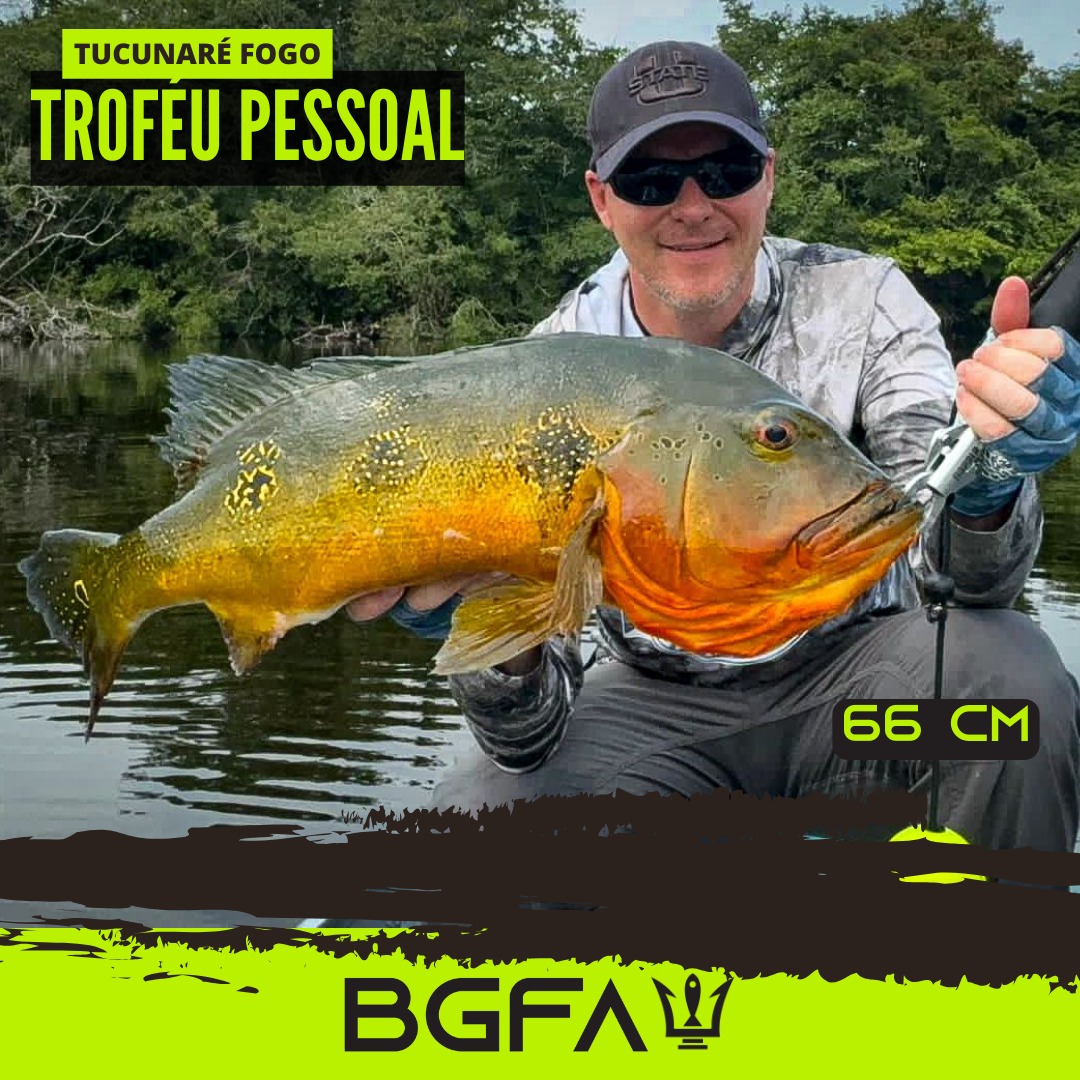
Even though I know considerably more about peacock bass than I did on that first trip, I still have a hard time describing just how amazing it is to fish for them.
People often ask me whether peacock bass fishing is similar to fishing for bass back in the United States. Do they fight the same? Can you use the same lures? What makes them different?
The short answer is that if you love bass fishing, you'll probably love peacock bass fishing. But there are some important differences.
What Makes Peacock Bass Different from North American Bass?
First off, bass fishing is bass fishing. It's about reading the water, guessing where a big fish might be holding, making a cast, trying to land your lure inches from a target, quickly reeling in the slack, watching your line, recognizing the strike, setting the hook and admiring the fight.
Whether your fish goes airborne trying to throw the hook or dives underneath a log or rock, the basic experience is familiar.
But even the most experienced bass fishermen are often surprised by the power of a big peacock bass.
Is it similar to catching a big bass in the United States? Yes, but there are also some major differences.
I usually tell people to think about the largest bass they've ever caught. If they're from up north, they might say five pounds. Someone from a southern state might tell me eight pounds. No matter where they're from, I tell them to imagine a fish that fights with the aggression and power of something two or three times that size. Now imagine that fish crushing your lure and immediately trying to take every bit of line you have.
That's a pretty good introduction to peacock bass fishing.
Peacock bass aren't actually members of the black bass family. They're cichlids, native to South America. But if you're a North American bass fisherman, you'll recognize much of what makes them interesting. They're aggressive predators, they relate to structure, and they can be incredibly territorial.
The difference is that a big peacock bass has an incredible amount of power packed into its body.
The giant speckled peacock bass, Cichla temensis, commonly called the three-bar peacock bass, is particularly impressive. These fish can grow to enormous sizes and live in some pretty unforgiving environments. They're sharing the water with black piranhas, vampire fish and wolf fish.
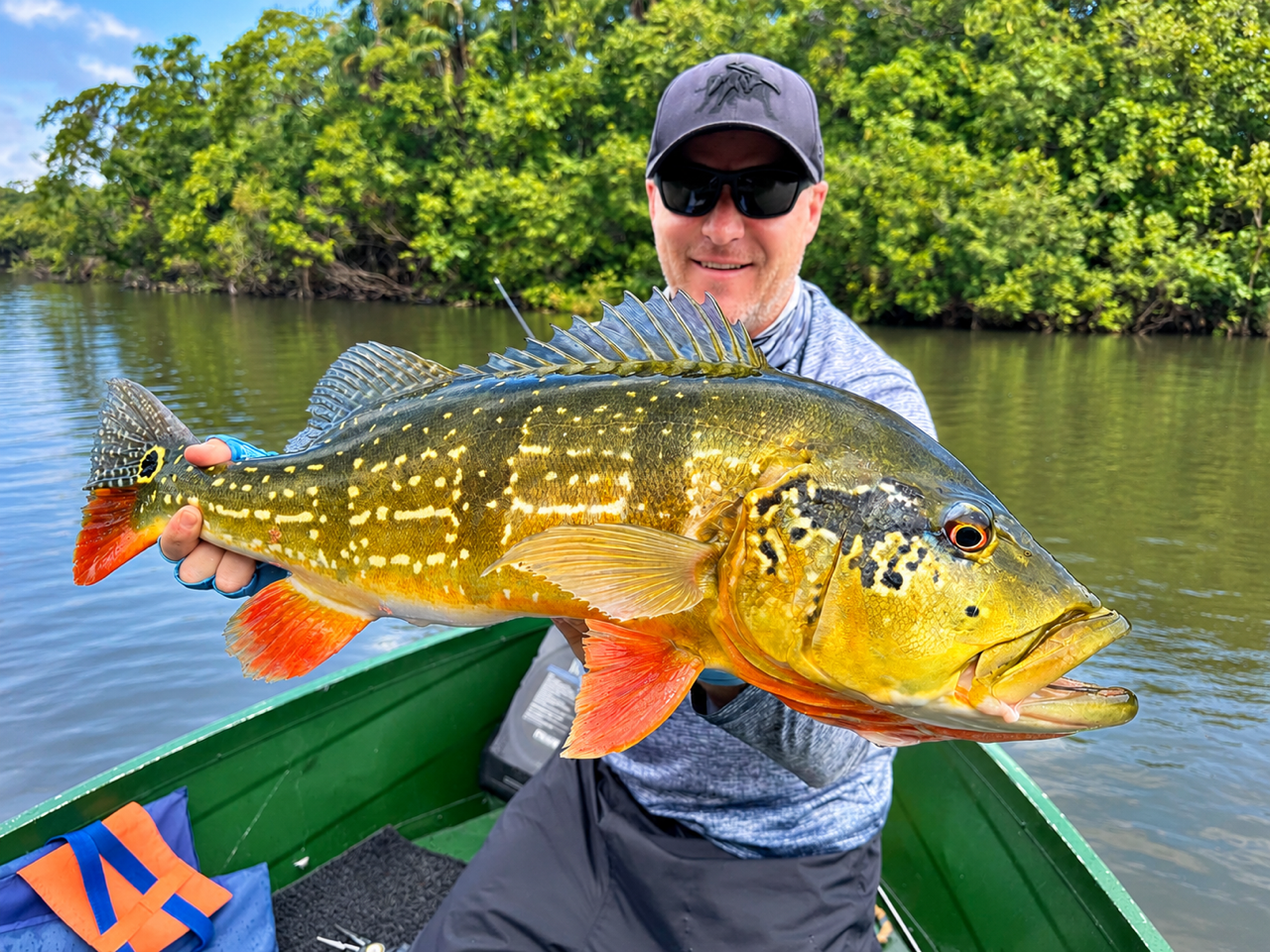
You aren't fishing for a three- or four-pound largemouth in a neighborhood pond with a few lily pads. You're casting for a fish that can break equipment, bury itself in submerged timber and make you work for every inch of line.
I've seen rods break, reel bearings fail and fishing lines snap. A 10-pound peacock bass can jump, dive and wrap itself around underwater structure in the first 15 seconds of a fight.
He isn't coming to your boat unless you force him there!
The Best Lures and Techniques for Amazon Peacock Bass Fishing
Most bass fishermen understand the concept of an ambush predator. A largemouth might sit underneath a log, next to a rock or under a lily pad, waiting for something to swim by. Sometimes a bass strikes because it's hungry. Other times, it's protecting its territory.
Peacock bass behave in many of the same ways. I've caught them around submerged trees, rocky structure and underwater points where current passes by.
My favorite lures include topwater chopper baits, feathered jigs and shallow-running jerkbaits.
Topwater fishing is particularly exciting. If you enjoy throwing a walking bait or other surface lure for largemouth and smallmouth, you'll understand why I love watching a big peacock bass explode on a lure. There's nothing quite like seeing a large fish come completely out of the water to attack your bait.
Chopper-style topwater baits are another favorite. However, you can't simply take your favorite bass fishing lure out of the tackle box and expect it to survive. The hooks and split rings need to be strong enough to handle the power of these fish. Standard bass fishing hardware can straighten or fail when a large peacock bass gets involved.
Feathered jigs and jerkbaits are also excellent options. They give you ways to fish different depths and presentations, particularly when fish aren't actively feeding on the surface.
The important thing to understand is that you don't necessarily need to learn an entirely new style of fishing. Many of the techniques you already use for largemouth and smallmouth bass will work for peacock bass. But you'll need to adjust your tackle, lure selection and presentation to account for the fish you're targeting.
Peacock Bass Fishing Gear: What Bass Anglers Need to Know
If there's one area where I would tell an experienced North American bass fisherman to pay attention, it's equipment.
Back home, my go-to line for bass fishing is usually 15- or sometimes 20-pound braid. The average bass I catch might weigh three pounds, and a monster might weigh six pounds. In the southern United States, an eight-, nine- or even 10-pound largemouth is possible, but the average fish is still considerably smaller than a giant peacock bass.
For Amazon peacock bass fishing, the equipment requirements are different.
A typical day might involve catching multiple fish in the five- to 10-pound range, with the possibility of encountering a fish weighing considerably more. Giant peacock bass can exceed 20 pounds, and the world-record-class fish have approached or exceeded 29 pounds.
My first peacock bass ever landed weighed 10 pounds, 8 ounces. That's a pretty impressive first fish! And while my personal best is 17 pounds, I watched a friend land a 25-pounder in Brazil a couple of years ago. It was an incredible fish, and you can see that catch in our YouTube video .
You need a rod with enough backbone to control a powerful fish, a reel with a dependable drag and heavy-duty components, and fishing line strong enough to withstand both the fight and the underwater structure.
The exact equipment depends on the fish you're targeting, the location and the techniques you're using. But don't assume that the medium-heavy bass rod and reel you use back home will be appropriate for every situation in the Amazon.
This is one of those situations where having the right equipment can make the difference between landing the fish of a lifetime and watching it disappear into a submerged tree.
How Big Do Amazon Peacock Bass Get?
One of the reasons Amazon peacock bass fishing attracts so many experienced bass fishermen is the potential size of these fish.
There are multiple species of peacock bass throughout South America, and their maximum sizes vary. Some species are considerably smaller than others. If your goal is to catch a true giant, the destination and species matter.
The speckled peacock bass, Cichla temensis, is one of the largest and most sought-after. Fish exceeding 20 pounds are possible, and the biggest specimens can approach 30 pounds.
But you don't have to catch a 20-pound fish to have an incredible day.
Some of my best fishing experiences have involved catching large numbers of quality fish. One morning in Brazil, I landed 30 peacock bass weighing more than four pounds in just two hours. That's the kind of fishing that makes you forget about everything else!
Another memorable day involved landing three peacock bass weighing more than 15 pounds each. Those are the kinds of experiences that keep me coming back.
Whether you're looking for a personal-best fish or simply want to experience the excitement of catching aggressive, hard-fighting fish all day, the Amazon offers opportunities that are difficult to duplicate anywhere else.
What Is It Really Like to Fish for Peacock Bass in the Amazon?
The biggest difference, in my opinion, when fishing for Amazon peacock bass is the strike.
There is no subtle pickup. They absolutely crush your lure. It doesn't matter whether you're throwing a large Spook or a feathered jig. When a big peacock bass decides to eat, you'll know it.
And no, they don't stop fighting easily. Actually, not at all. They will battle all the way into the boat.
The fishing itself can feel surprisingly familiar to someone who has spent years fishing for largemouth and smallmouth bass. You're still looking for structure, casting toward likely holding areas and trying to put your lure in front of an aggressive predator.
But the surroundings are completely different.
Instead of fishing a Minnesota lake or a Wisconsin river, you're casting into tropical waters surrounded by some of the most remote wilderness on the planet. Depending on where you're fishing, you might be working rocky shorelines, flooded forests, submerged trees or river systems that stretch for hundreds of miles.
You're also fishing in an environment that supports an incredible variety of other species. Peacock bass might be your primary target, but the Amazon is home to an amazing assortment of fish, including arapaima, payara, arowana, piranhas and several species of large catfish.
That's part of what makes these trips so special. You never quite know what might happen next.
Why I Keep Going Back to Amazon Peacock Bass Fishing
When I first went to Brazil, I assumed it would be a once-in-a-lifetime opportunity to fish the Amazon. I thought I'd make the trip, catch some peacock bass and have a great story to tell.
Since then, I've returned numerous times, usually at least once each winter.
What's my best trip? That's hard to say.
In 2024, I broke the Brazilian record for the fire peacock bass and became the foreign record holder for the species.
My best morning? Probably the one when I landed 30 peacock bass over four pounds in just two hours.
My best day? It would be hard to beat the day I landed three peacock bass over 15 pounds each.
But the reason I keep going back isn't just the size of the fish or the number of fish I catch. It's the entire experience. The aggressive strikes, the powerful fights, the incredible variety of fish and the opportunity to explore some of the most remote fishing destinations in the world.
If you're a bass fisherman who has spent years chasing largemouth and smallmouth, I think you'll understand the appeal almost immediately.
I still love fishing for bass in Minnesota. I still love throwing a Jitterbug along a rocky point on a summer evening, hoping a big smallmouth will explode on the surface.
But Amazon peacock bass fishing has given me a whole new appreciation for what bass fishing can be.
And if you ever get the opportunity to experience it yourself, don't be surprised if one trip isn't enough.
Article written by Adam Van Tassel, Acute Angling Sales Associate
Adam is a sales associate for Acute Angling and the creator of the fishing YouTube channel Lure of the Wild. Through his fishing trips with Acute Angling and filming adventures for his channel, Adam has explored fisheries throughout South America and brings firsthand experience to helping anglers choose their next fishing adventure.
Adam also owns and operates Birch Forest Lodge, a fishing lodge in Minnesota.
(866) 832-2987


