
BOOK YOUR BUCKET LIST
WHERE EPIC AWAITS
BOOK YOUR
BUCKET LIST
WHERE EPIC AWAITS
As Featured By




As Featured By
EXPLORE THE EXPERIENCES
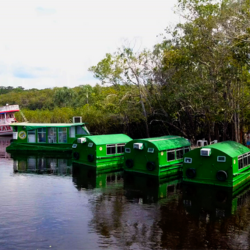
Great chance at a large peacock bass true trophy peacock in an intimate jungle setting. These floating bungalows can take you to the most inaccessible headwaters regions.
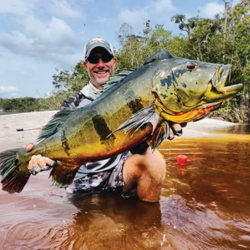
If you're hunting for a real shot at a world-record peacock bass, then this is the place for you. This trip delivers more 20+ lb. fish/week than any other Amazon fishery.
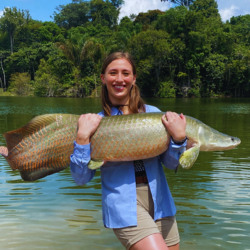
This one-day trip is available as an add-on to an Acute Angling trip. A chain of 5 isolated lakes independent of the floodplain; fishable during the season!
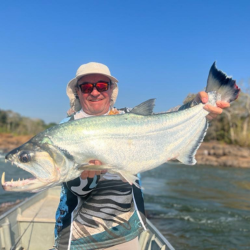
Take your own River Monsters fishing trip! Preserved in a remote area, this unique fishery provides anglers with a wide variety in fish species.
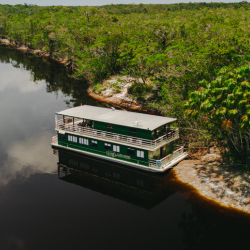
This premium accommodation accesses some of the complex shallow backwaters and less accessible fish-laden regions. This barge flagship lets you go anywhere!
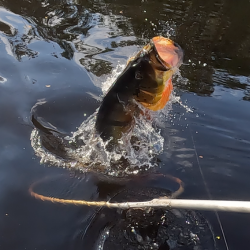
The most consistent fishing trip in the Amazon! This beautiful yacht roams the enormous Rio Negro basin, concentrating on accessing productive waters.
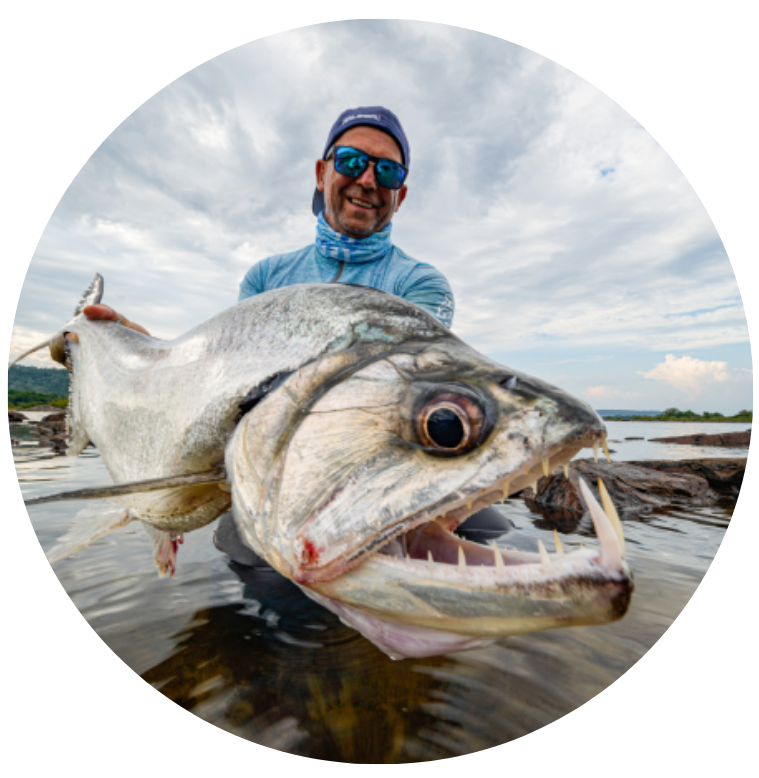
If you’re looking to catch a variety of fish species, then this is the trip for you. Enjoy the diversity of sport fish and the various fishing techniques used to catch them.
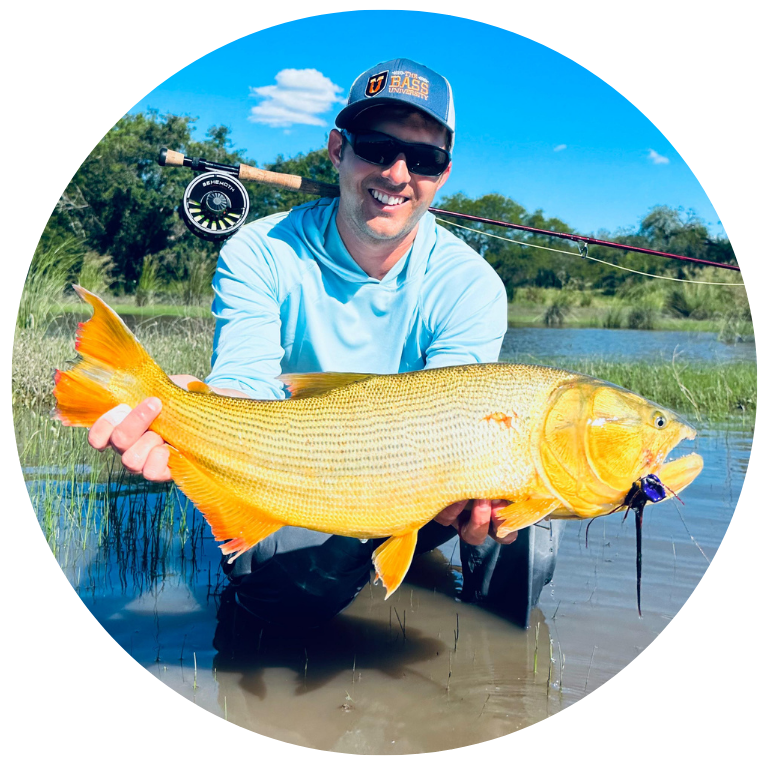
The lower Paraná River is generally known as an area that delivers a high quantity of fish. When conditions are good anglers typically catch 10-30 dorados a day!
WHAT OUR ANGLERS HAVE TO SAY
EXPLORE THE EXPERIENCES
Great chance at a large peacock bass true trophy peacock in an intimate jungle setting. These floating bungalows can take you to the most inaccessible headwaters regions.
If you're hunting for a real shot at a world-record peacock bass, then this is the place for you. This trip delivers more 20+ lb. fish/week than any other Amazon fishery.
This one-day trip is available as an add-on to an Acute Angling trip. A chain of 5 isolated lakes independent of the floodplain; fishable during the season!
Take your own River Monsters fishing trip! Preserved in a remote area, this unique fishery provides anglers with a wide variety in fish species.
This premium accommodation accesses some of the complex shallow backwaters and less accessible fish-laden regions. This barge flagship lets you go anywhere!
The most consistent fishing trip in the Amazon! This beautiful yacht roams the enormous Rio Negro basin, concentrating on accessing productive waters.
If you’re looking to catch a variety of fish species, then this is the trip for you. Enjoy the diversity of sport fish and the various fishing techniques used to catch them.
The lower Paraná River is generally known as an area that delivers a high quantity of fish. When conditions are good anglers typically catch 10-30 dorados a day!
TESTIMONIALS
WHAT OUR ANGLERS HAVE TO SAY
“This was one of the best trips I’ve ever been on!...The management made the whole process very easy and provided a ton of info for us leading up to the trip. I honestly can’t rave enough about it. My dad already has another trip booked with them and I will definitely be booking with them in the future on one of their other trips as well. 10/10 experience.” - Bannon G.

“The trip was amazing from the time we arrived to when we left…I highly recommend this outfitter and all the guides worked their tails off to make it an incredible experience. We were so impressed that we booked two more trips with them before we finished the first one.” - Scott R.
“Having been to Brazil, Peacock Bass fishing for over 25 years (19 trips), I have used many different outfitters …Acute Angling is BY FAR the BEST…They are an Outfitter who understands what a Fisherman wants and gives that to them. I am convinced that they are the BEST.” - Jason B.
“I've fished with Acute twice in less than a year. It's a first class operation and we got first class fish to go with it! This may become an annual trip for me!” - Rob O.
Trips For All Groups & Occasions
We Have a Trip For Everyone

Corporate Trips
Reward and incentivize your team with something truly unforgettable.

Groups & Families
Create experiences and make memories with loved ones that last a lifetime.

Individuals & Couples
Engage in the ultimate couples or solo adventure.
Trips For All Groups & Occasions
We Have a Trip For Everyone
Corporate Trips
Reward and incentivize your team with something truly unforgettable.
Groups & Families
Create experiences and make memories with loved ones that last a lifetime.
Individuals & Couples
Engage in the ultimate couples or solo adventure.
25+ Years of Amazon Fishing
Facilitating Bucket List Experiences
25
Years in the Amazon

Thousands
Trips Facilitated
#1
Facilitating Trips
50+
Species to Fish
25+ Years of Amazon Fishing
Facilitating Bucket List Experiences
25
Years in the Amazon
Thousands
Trips Facilitated
#1
Facilitating Trips
50+
Species to Fish
Join Us: Get monthly newsletters, discount offers and new content notifications exclusively for our members. Join for FREE below with your name and email.
Read Our Newest Blogs
Lorem ipsum dolor sit amet, consectetur adipiscing elit. Aliquam
Things to Do in Buenos Aires
Recommended Activities for Your Argentina Fishing Trip
For many anglers, Buenos Aires is more than just a place to land before heading to the water. It is one of South America’s great cities and one of the easiest ways to add culture, food, history, and sightseeing to your Argentina fishing trip.
Whether you are traveling for golden dorado fishing on the Paraná River, Patagonia trout fishing in the south, or a broader South America fishing adventure, it is worth taking advantage of your time in Buenos Aires. The city is filled with historic neighborhoods, famous landmarks, world-class restaurants, tango, parks, museums, markets, bakeries, and architecture that make it far more than a simple connection point!
Many of the best places to visit are close together, especially around Avenida 9 de Julio, Recoleta, Palermo, San Telmo, and Puerto Madero. With even one extra day, anglers can experience a memorable side of Argentina before or after their fishing adventure.
We are happy to help coordinate travel details, answer questions, and point you toward the best way to make the most of your time in Argentina. Visit www.acuteangling.com or call us at (866) 832-2987.
Avenida 9 de Julio
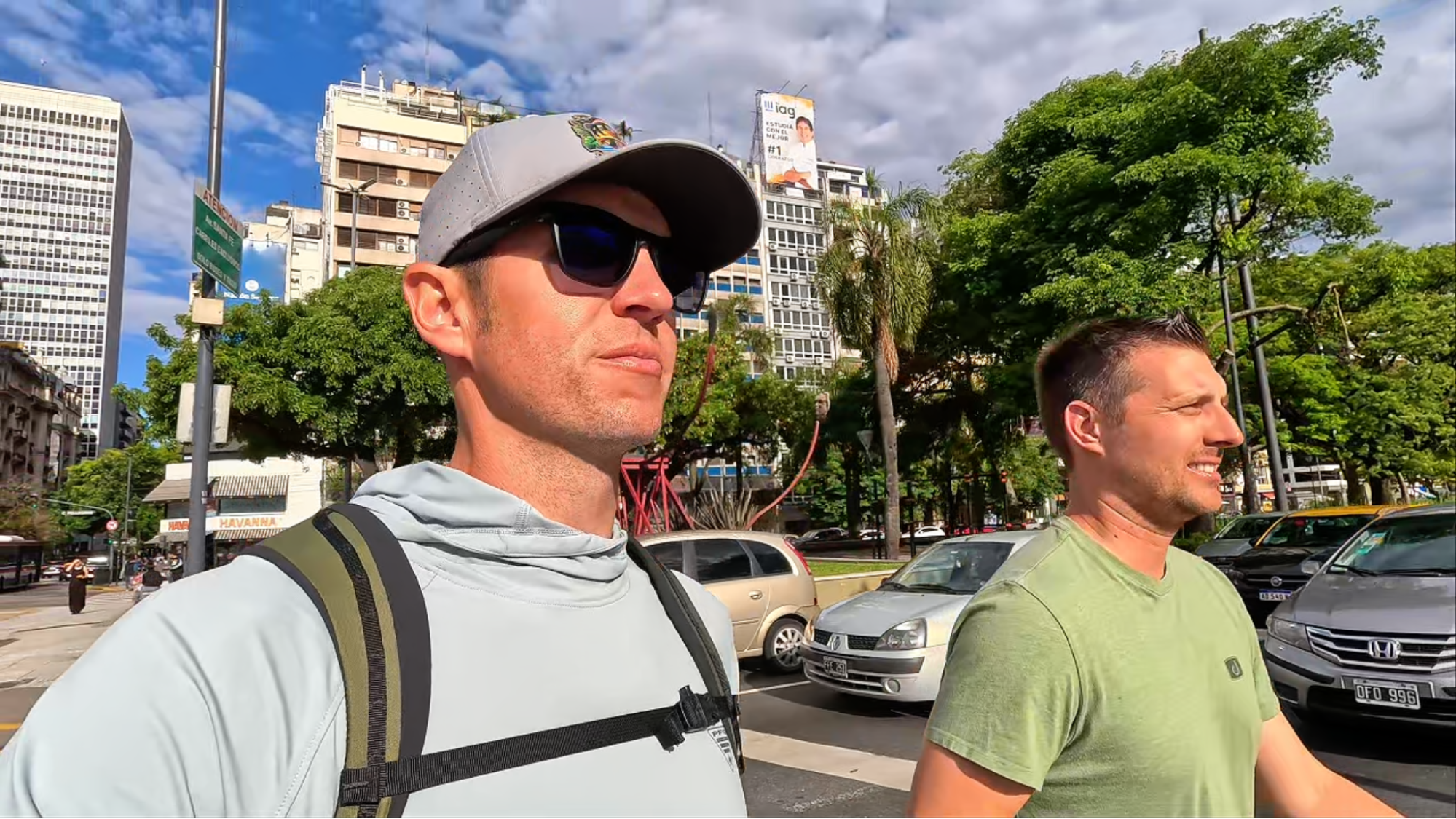
Avenida 9 de Julio is one of the most famous streets in Buenos Aires and one of the widest avenues in the world. Named for July 9, Argentina’s Independence Day, this broad avenue cuts through the center of the city and gives first-time visitors an immediate sense of Buenos Aires’ scale and energy.
The avenue is lined with hotels, restaurants, theaters, shops, monuments, and major landmarks. It is also famously wide, often requiring pedestrians to cross in stages across multiple traffic lights. That simple act of crossing the street becomes part of the experience!
For anglers arriving before a fishing trip in Argentina, Avenida 9 de Julio is a convenient starting point. You can walk the area, grab a meal, visit nearby attractions, and use it as a central route to reach other parts of the city.
Obelisco de Buenos Aires
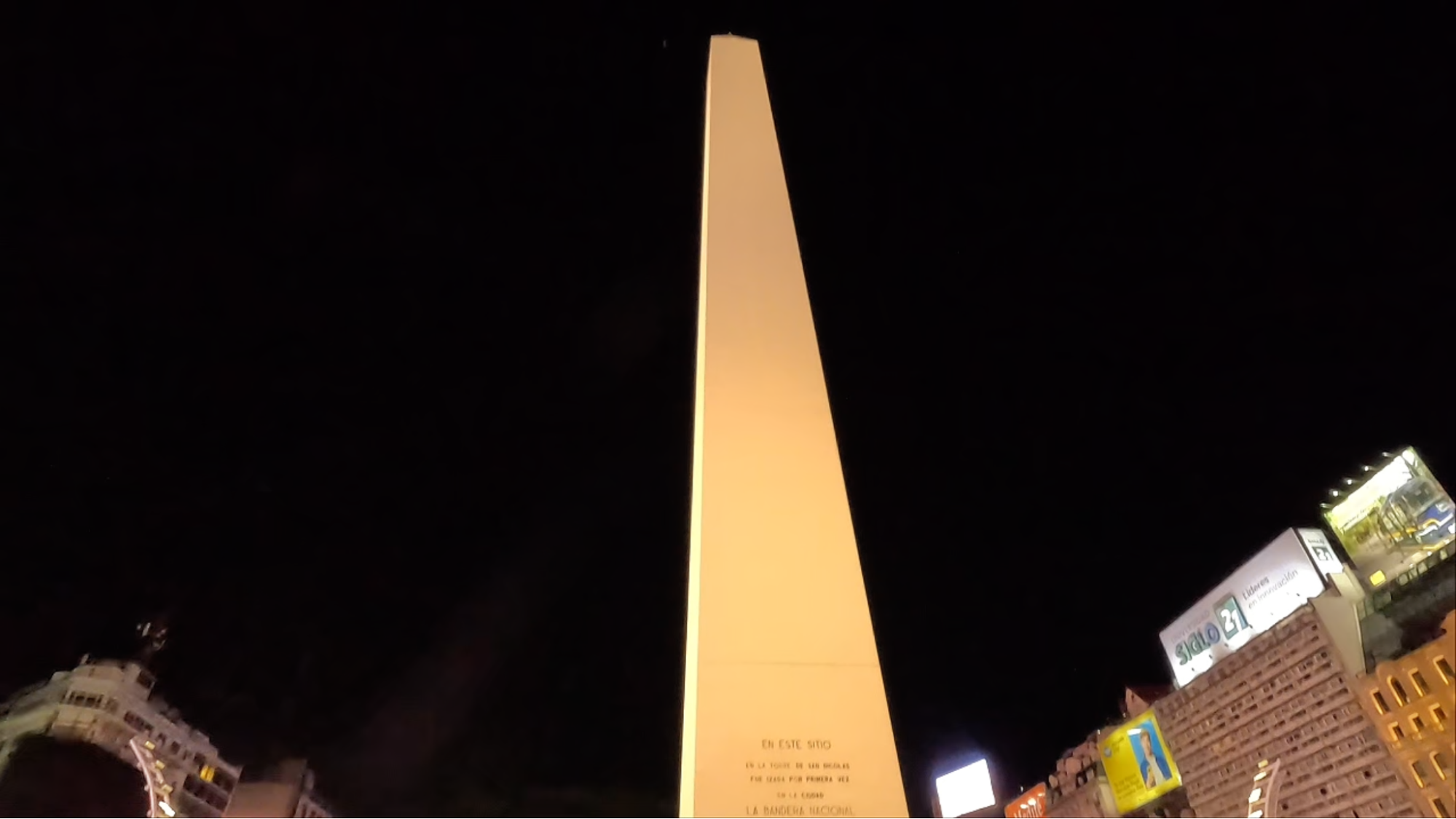
The Obelisco is one of the most recognizable landmarks in Buenos Aires. Located at Avenida 9 de Julio and Avenida Corrientes, it stands in the middle of Plaza de la República and has become one of the city’s classic photo stops.
The surrounding area is especially impressive at night, when theater lights, traffic, restaurants, and pedestrian activity give the city a lively, big-city feel. Avenida Corrientes is closely tied to Buenos Aires theater culture, so this area is a good place to experience the city’s urban energy.
Teatro Colón Opera House
Teatro Colón is one of the great opera houses of the world and one of the most important cultural landmarks in Argentina. It opened in 1908 and is known for its architecture, history, and remarkable acoustics. Buenos Aires tourism describes it as one of the world’s leading opera houses, alongside La Scala in Milan, the Paris Opera Garnier, and the Royal Opera House in London.
Even if you do not attend a performance, Teatro Colón is worth seeing from the outside. If your schedule allows, a guided tour is a great way to see the interior, including its ornate halls, staircases, sculptures, and stained glass. For anglers who want to balance a South America fishing itinerary with a major cultural experience, Teatro Colón is one of the best stops in Buenos Aires.
Recoleta
Recoleta is one of the best neighborhoods for first-time visitors to Buenos Aires. It is walkable, elegant, and packed with things to see, including parks, museums, cafés, architecture, the famous cemetery, weekend markets, and nearby shopping.
This is a particularly convenient area for anglers with limited time. You can visit Recoleta Cemetery, walk through the weekend market, see nearby museums, stop for food, shop at Recoleta Urban Mall, and continue toward Floralis Genérica or the Museo Nacional de Bellas Artes.
If you only have a half-day or one full day in Buenos Aires, Recoleta is one of the easiest areas to recommend.
Recoleta Cemetery
Recoleta Cemetery is one of Buenos Aires’ most famous landmarks and one of the most unique places to visit in the city. Instead of simple headstones, the cemetery is filled with elaborate mausoleums, statues, stonework, stained glass, and architectural details.
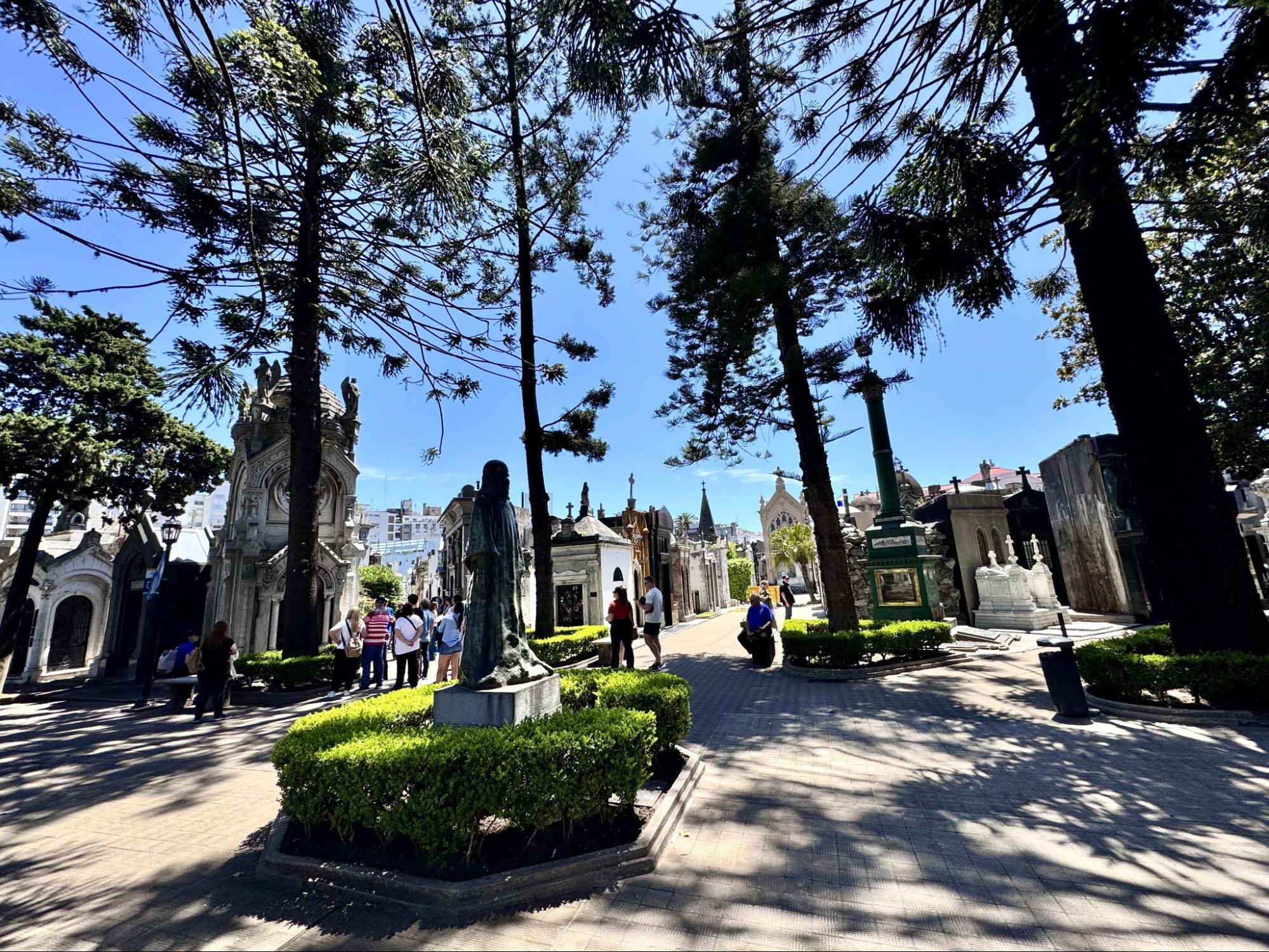
Many important Argentine figures are buried here, including Eva “Evita” Perón. The cemetery is also known for its mix of architectural styles and its maze-like layout. It often feels more like an outdoor museum than a cemetery. For anglers with limited time in Buenos Aires, Recoleta Cemetery should be high on the list. It is historic, walkable, visually impressive, and located near several other good stops.
Recoleta Weekend Market / Plaza Francia Craft Fair
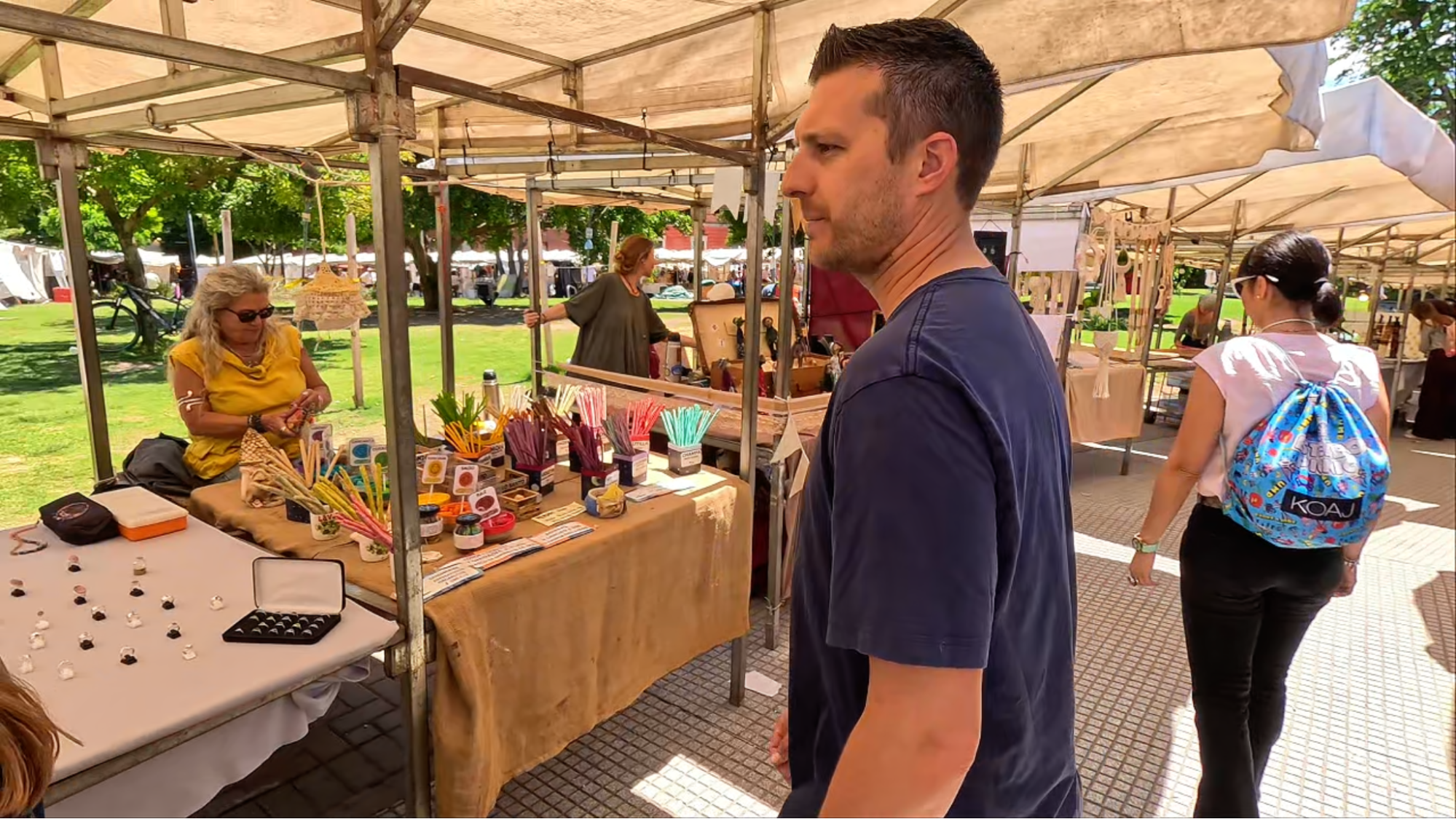
If you are in Buenos Aires on a Saturday, Sunday, or public holiday, the Recoleta weekend market is worth visiting. The Plaza Francia craft fair is located near Recoleta Cemetery and features local vendors selling handmade items, art, leather goods, jewelry, mate cups, woodwork, textiles, and souvenirs.
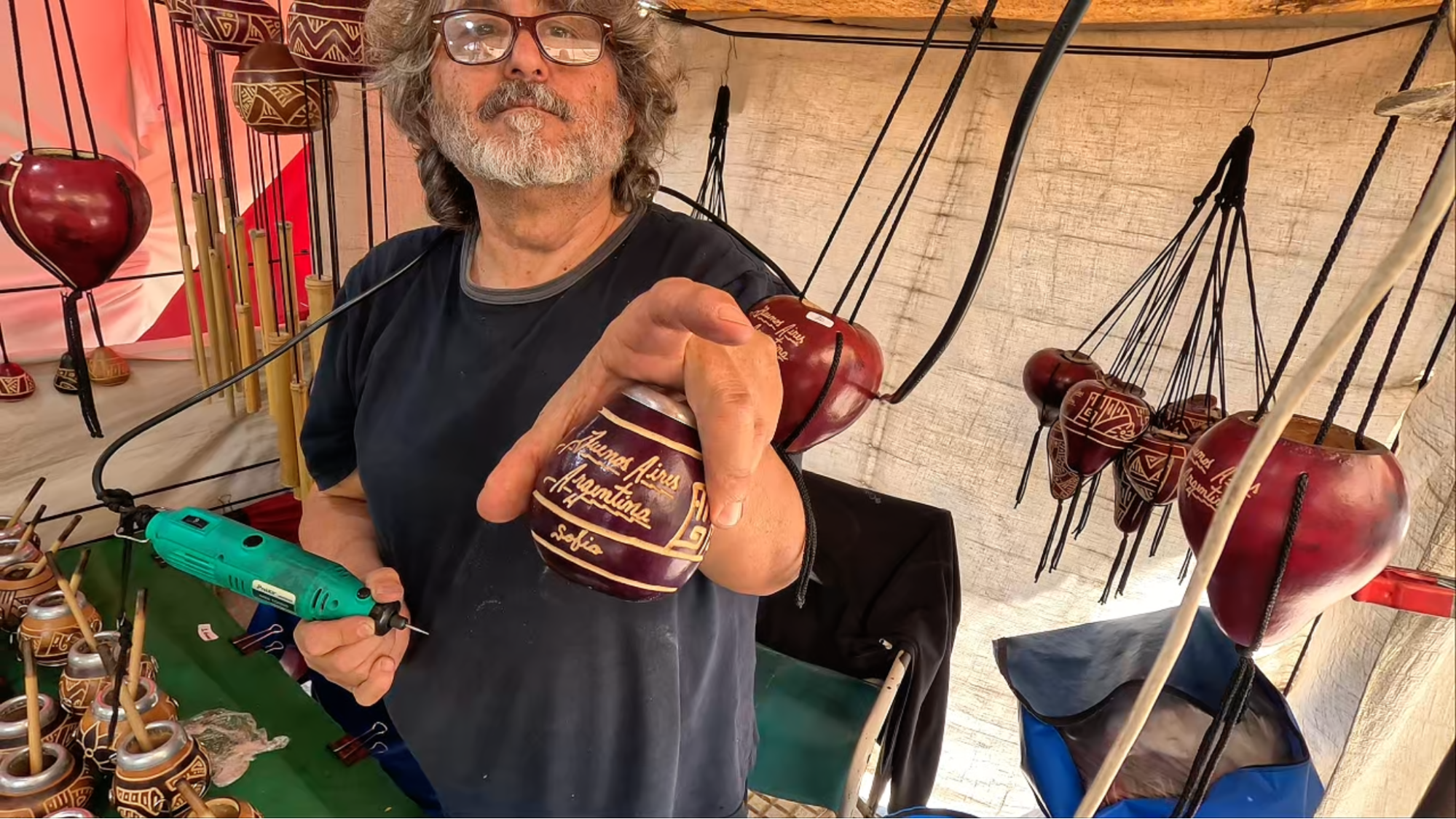
This is a much better place to look for unique gifts than a generic airport shop. Mate cups, handmade leather items, and small pieces of local art are especially good options for travelers who want to bring something home from Argentina.
The market often has street musicians and performers, giving the area a lively atmosphere. If your Argentina fishing trip schedule gives you a weekend day in Buenos Aires, Recoleta is one of the easiest areas to enjoy.
Metropolitan Cathedral
The Metropolitan Cathedral sits near Plaza de Mayo and is one of the most important religious and historic buildings in Buenos Aires. It is also closely associated with Pope Francis, who served as Archbishop of Buenos Aires before becoming pope.
The building’s exterior looks more like a classical temple than a typical cathedral, which makes it stand out from many other churches in Latin America. Inside, visitors will find religious artwork, historic details, and the mausoleum of General José de San Martín, one of Argentina’s most important independence figures.
For travelers interested in Argentina’s history and identity, the Metropolitan Cathedral pairs well with Plaza de Mayo and Casa Rosada.
Casa Rosada and Plaza de Mayo
Casa Rosada, Argentina’s pink presidential palace, overlooks Plaza de Mayo, the historic and political heart of Buenos Aires. The plaza has been the setting for many of the country’s most important political moments, public gatherings, and demonstrations.
This area gives visitors a deeper sense of Argentina beyond the rivers, lodges, and fisheries. It is a good stop for anyone interested in the country’s history, politics, architecture, and national identity.
If your fishing in Argentina itinerary includes an extra day in Buenos Aires, Plaza de Mayo, Casa Rosada, and the nearby Metropolitan Cathedral make an excellent historic walking route.
Café Tortoni
Café Tortoni is one of the classic cafés of Buenos Aires and a landmark of the city’s literary and cultural history. It is the kind of place where travelers can slow down, have coffee, try a pastry, and feel connected to the old café culture of Buenos Aires.
For anglers coming off long flights or preparing to head out on an Argentina fishing trip, Café Tortoni is a relaxed stop that fits well into a day of sightseeing around Avenida de Mayo, Plaza de Mayo, and the city center. It can be busy, but that is part of its appeal. This is one of those places that feels less like a quick snack stop and more like a piece of Buenos Aires history.
El Ateneo Grand Splendid
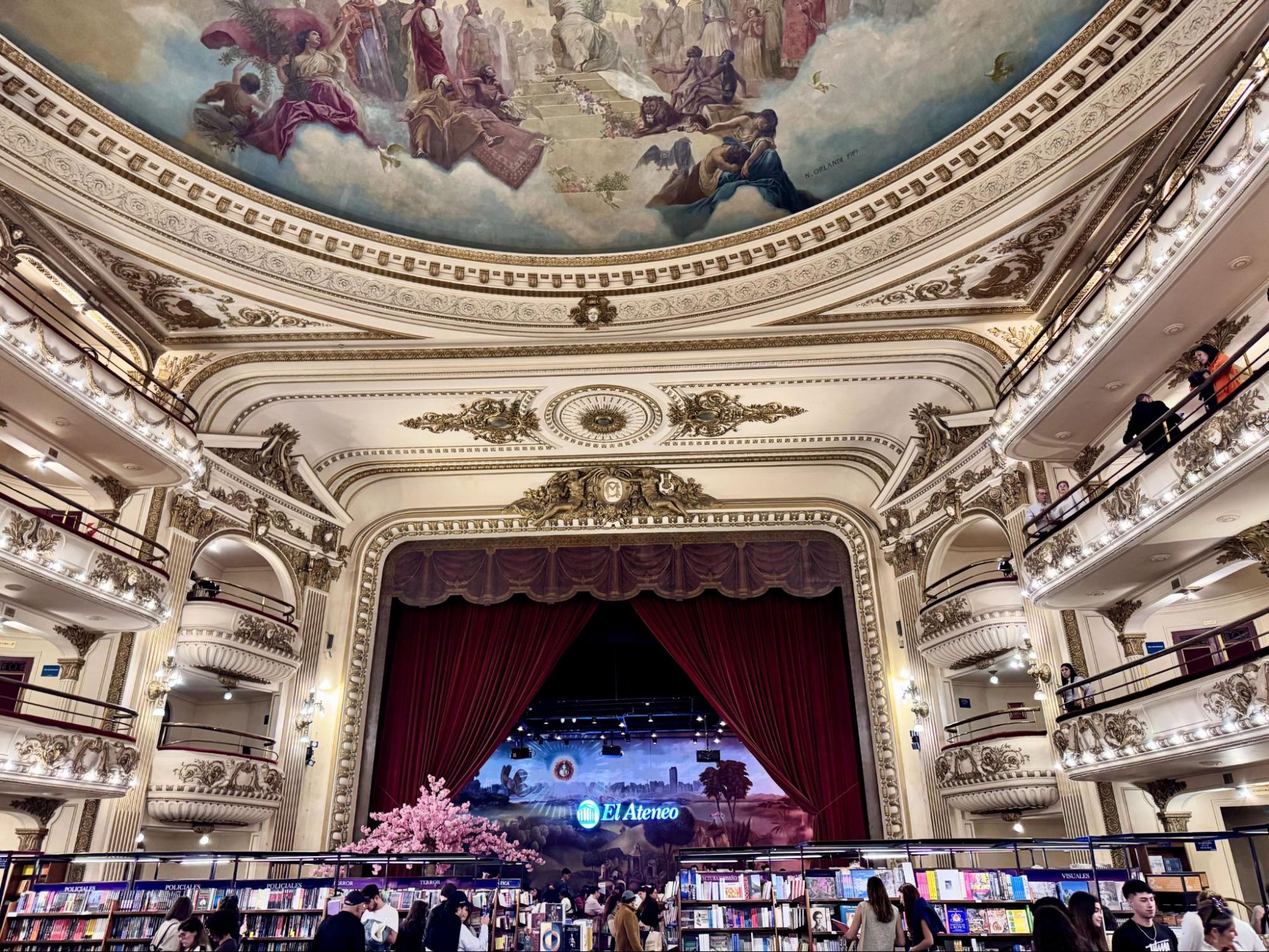
El Ateneo Grand Splendid is one of the most beautiful bookstores in the world and one of the most memorable stops in Buenos Aires. The building opened in 1919 as the Grand Splendid theater and later served as a cinema, radio, and recording space before becoming a bookstore in 2000.
Inside, the old balconies, painted dome, stage, and ornate theater details remain. The former stage is now used as a café, while the main floor and balconies are filled with bookshelves. It is a bookstore, but it feels more like stepping into a preserved theater.
The Guardian ranked El Ateneo Grand Splendid as the second most beautiful bookstore in the world, and National Geographic later called it the world’s most beautiful bookstore. Travelers can often find books in English, bilingual books, and books about Argentine culture, making it a great indoor stop before or after a fishing trip.
Facturas, Bakeries, and Dulce de Leche
Buenos Aires is a great city for bakeries! One of the most common things to try is facturas, a broad category of sweet Argentine pastries that may include pastry cream, jam, sugar glaze, powdered sugar, or dulce de leche.
Dulce de leche is one of Argentina’s signature flavors. It appears in pastries, cakes, cookies, ice cream, and desserts throughout the country. If you only try one bakery item in Buenos Aires, make it something filled with dulce de leche!
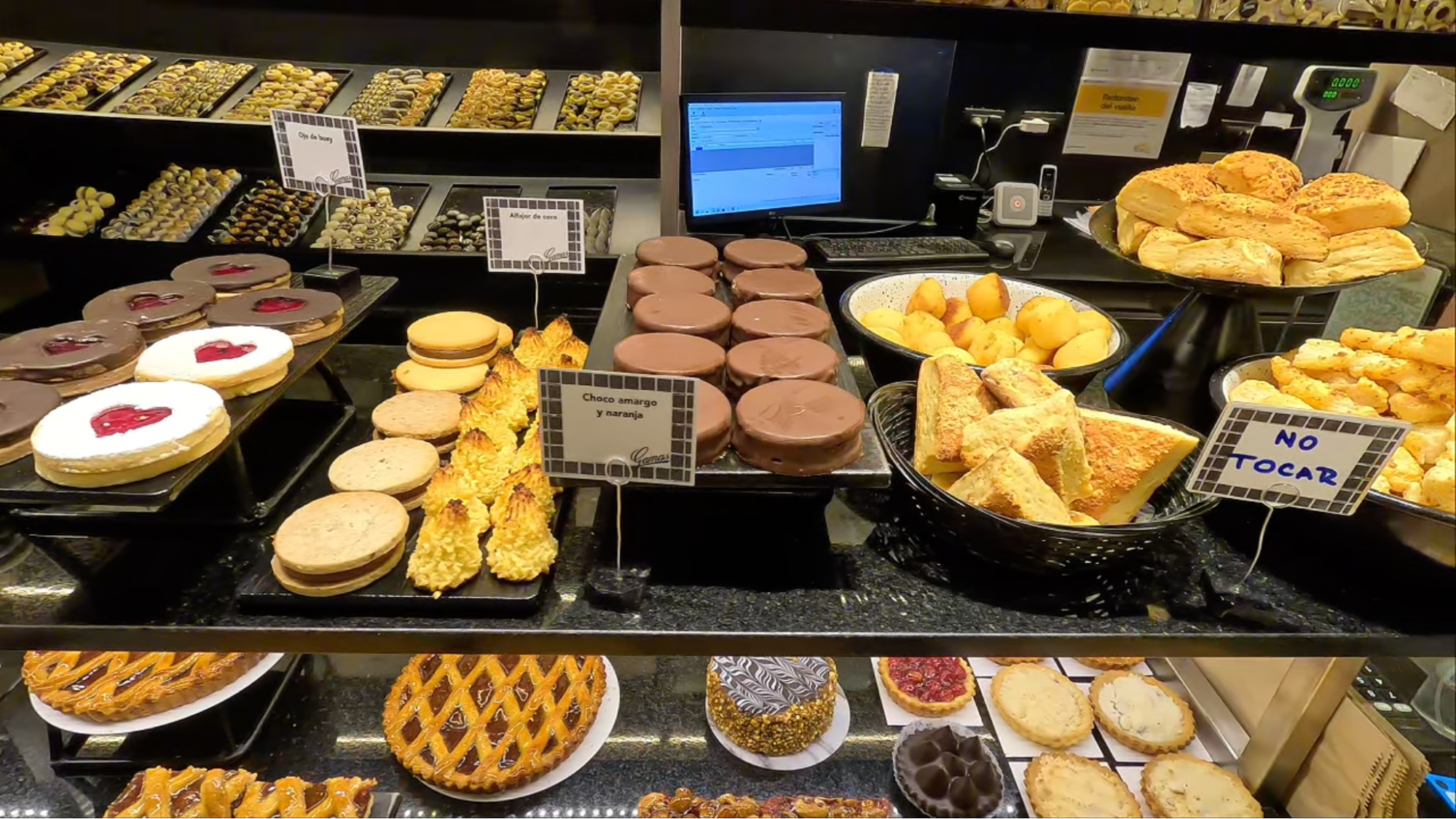
Bakeries are also useful for quick lunches and snacks. Many sell simple sandwiches, small savory items, and coffee. For anglers spending a day in the city before an Argentina fishing trip, bakeries are an easy way to eat well without slowing down the sightseeing schedule.
Argentine Steak and Parrillas
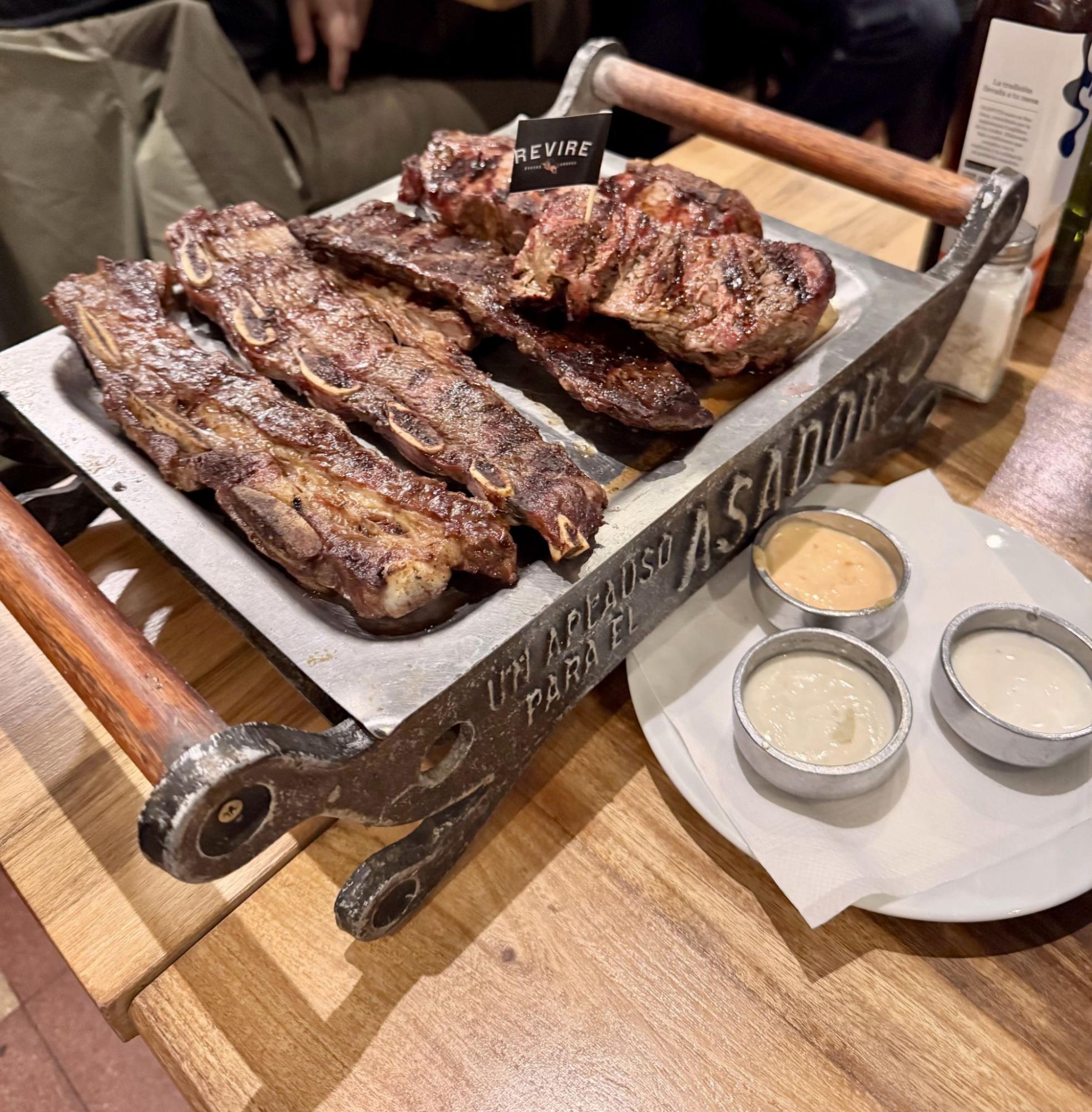
Argentina is famous for beef, and Buenos Aires is one of the best places to enjoy it. A traditional parrilla, or Argentine grill, is one of the classic dining experiences in the city.
A good steak dinner is a perfect way to start or end an Argentina fishing trip. After long flights, or after several days chasing golden dorado, trout, or other South America fishing species, sitting down to a proper Argentine meal is part of the experience.
Buenos Aires food is not only about steak, though. The city also has strong Italian influence, visible in its pasta, pizza, gelato, caprese dishes, cafés, and bakery culture.
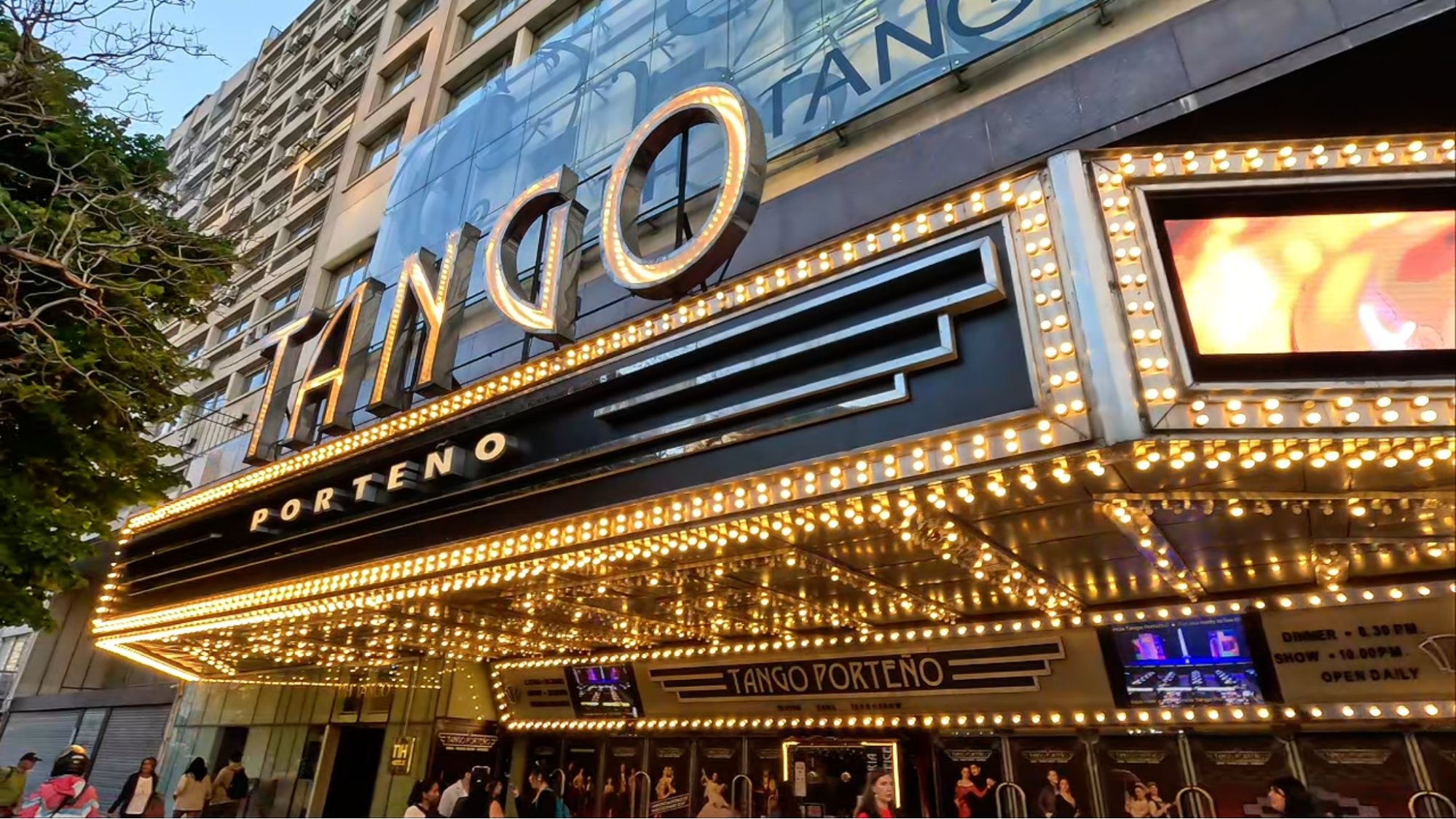
Tango and Tango Porteño
Tango is one of the cultural symbols most closely associated with Buenos Aires. The tradition developed in the Río de la Plata region, especially in Buenos Aires and Montevideo, and reflects a mix of immigrant, local, and working-class influences. UNESCO recognizes tango as intangible cultural heritage.
For visitors who want an easy introduction to tango, a dinner-and-show experience can be a good option. Tango Porteño, located near Avenida 9 de Julio, offers a polished show format that combines dinner, music, and dance.
One thing to know is that dinner and entertainment in Buenos Aires often start later than many U.S. travelers expect. If you are leaving early the next morning for a fishing transfer, check the schedule before committing. If you have a free night after your trip, a tango show can be a memorable way to close out your time in Argentina.
San Telmo
San Telmo is one of the oldest and most atmospheric neighborhoods in Buenos Aires. It is known for cobblestone streets, historic buildings, antique shops, cafés, tango, and a more bohemian character than some of the city’s more polished districts.
This neighborhood is often associated with the roots and spirit of tango, making it a great stop for visitors who want to experience the older, more traditional side of Buenos Aires. It is also a good area for photography, walking, cafés, and local markets.
For anglers adding a cultural day to an Argentina fishing trip, San Telmo gives a very different impression of the city than Recoleta, Palermo, or Puerto Madero.
San Telmo Market and Plaza Dorrego
San Telmo Market is a historic indoor market that opened in 1897 to serve the wave of European immigrants arriving in Buenos Aires. Today, it still retains much of its original structure, including its metal columns and beams, while offering a mix of antiques, food, coffee, produce, spices, and small shops.
On weekends, San Telmo becomes even more active, with street vendors, antiques, performers, and busy sidewalks. Plaza Dorrego and the surrounding antique scene are especially good for travelers who enjoy browsing older items, artwork, vintage pieces, and local character.
If you are in Buenos Aires on a weekend before or after your fishing trip, San Telmo is one of the strongest neighborhood choices.
La Boca and Caminito
Caminito is one of the most colorful and photographed streets in Buenos Aires. Located in La Boca, it is known for brightly painted buildings, artists, tango performers, restaurants, and immigrant history.
Buenos Aires tourism describes Caminito as a street museum of colorful painted houses typical of the immigrant dwellings that shaped this portside area in the late 19th and early 20th centuries. It is tourist-oriented, but it is still worth seeing if you have time.
La Boca is best visited during the day, and many travelers prefer to go with a guide or planned transportation. If you are adding it to a Buenos Aires itinerary before or after a fishing trip, plan the stop intentionally and stay near the main visitor areas.
Palermo
Palermo is one of Buenos Aires’ largest and most popular neighborhoods. It is known for restaurants, cafés, boutiques, bars, nightlife, parks, and a more modern feel than some of the city’s older districts.
Palermo Soho and Palermo Hollywood are especially popular for dining and nightlife. If Recoleta feels classic and elegant, Palermo feels younger, trendier, and more casual.
For anglers with an extra evening in Buenos Aires, Palermo can be a great place for dinner after a day of sightseeing. It is also a good option for travelers who have already seen the central landmarks and want to experience a more contemporary side of the city.
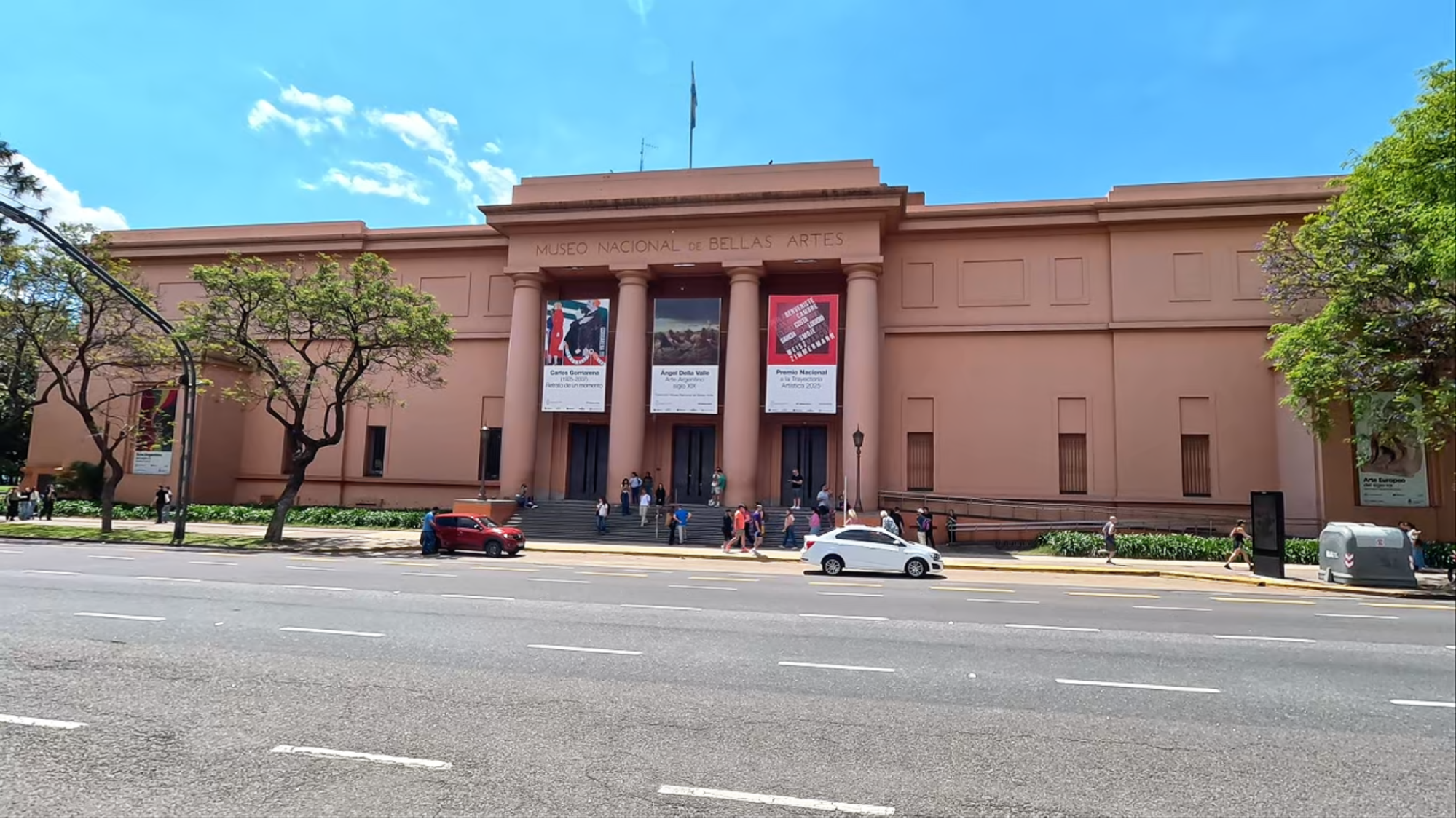
Museo Nacional de Bellas Artes
The Museo Nacional de Bellas Artes is located near Recoleta Cemetery and is one of the most important art museums in Argentina. It is a practical addition to a Recoleta itinerary because it is close to the cemetery, parks, market areas, and restaurants.
For visitors who want a cultural stop without spending an entire day indoors, this museum works well. You can visit the cemetery, walk the nearby market, stop for food, and include the museum in the same outing.
This is one of the reasons Recoleta is such a good neighborhood for travelers with limited time. It offers history, art, food, shopping, green space, and architecture within a relatively compact area.
Puerto Madero
Puerto Madero is the modern waterfront district of Buenos Aires. It is known for restaurants, riverfront walking areas, contemporary buildings, hotels, and some of the city’s most polished dining options.
This is a good area for an evening walk or a nice dinner before or after an Argentina fishing trip. It feels very different from San Telmo, Recoleta, or La Boca, giving visitors another side of the city.
For anglers who want a clean, easy, restaurant-focused evening, Puerto Madero is a strong option.
Puente de la Mujer
Puente de la Mujer, or Woman’s Bridge, is one of the icons of Puerto Madero. It was designed by Spanish architect Santiago Calatrava and is one of the most recognizable modern structures in the city. Buenos Aires tourism notes that it was Calatrava’s first work in Latin America.
The bridge is especially attractive at night, when the waterfront lights reflect off the water. It is an easy stop before or after dinner in Puerto Madero.
Botanical Garden / Jardín Botánico Carlos Thays
The Botanical Garden is one of Buenos Aires’ best green spaces and a peaceful break from the city’s busier avenues. It was founded by French landscape architect Carlos Thays, who designed many of the city’s parks and squares, and was inaugurated in 1898.
The garden contains a large collection of plant life, sculptures, greenhouses, and an English-style house used for exhibitions and workshops. It is a good option for travelers who want something quieter between bigger sightseeing stops.
Palermo Woods / Parque Tres de Febrero
Palermo Woods, also known as Bosques de Palermo or Parque Tres de Febrero, is one of the city’s most important park areas. It is often described as the green lung of Buenos Aires and is a popular place for walking, biking, relaxing, and spending time outdoors.
In spring, the jacaranda trees bloom across the city, adding purple color to many streets and parks. Biking around Palermo Woods can be a great way to enjoy the area if you have extra time.
El Rosedal / Palermo Rose Garden
El Rosedal is part of Palermo Woods and is one of the prettiest park areas in Buenos Aires. The rose garden contains more than 18,000 roses and is surrounded by a lake in the heart of Parque Tres de Febrero.
The garden includes walking paths, bridges, pergolas, sculptures, and the Garden of Poets, where busts honor writers and poets such as Dante Alighieri, Jorge Luis Borges, Antonio Machado, Federico García Lorca, and Alfonsina Storni. Crossing the lake over the white bridge, walking through the rose garden, and visiting the nearby Sívori Museum can make this a relaxing and scenic stop before or after your fishing trip.
Suggested One-Day Buenos Aires Route
If you only have one full day before or after your fishing trip, start with El Ateneo Grand Splendid, then continue toward Avenida 9 de Julio, the Obelisco, Teatro Colón, and Café Tortoni. From there, visit Plaza de Mayo, Casa Rosada, and the Metropolitan Cathedral.
In the afternoon, head to Recoleta Cemetery, the Recoleta weekend market if it is open, and the Museo Nacional de Bellas Artes,. In the evening, choose between a steak dinner, Puerto Madero, Palermo, or a tango show.
If you have a second day, add San Telmo, La Boca and Caminito, Palermo Woods, El Rosedal, and the Botanical Garden.
Practical Tips for Anglers Visiting Buenos Aires
Add an extra night if your schedule allows. Buenos Aires is worth more than a rushed airport connection.
Wear comfortable shoes. Many of the best areas are walkable, but you will cover more ground than expected.
Expect later dinners. Restaurants and shows often run later than U.S. travelers are used to.
Visit Recoleta on a weekend if possible. The cemetery, market, museums, food, and shopping are all close together.
Plan La Boca intentionally. Caminito is best visited during the day and is often easiest with a guide or planned transportation.
Leave room for food. Steak, facturas, dulce de leche, Italian-influenced dishes, and café culture are all part of the Buenos Aires experience.
Make the Most of Your Time in Argentina
A great Argentina fishing trip does not have to begin and end at the lodge. Buenos Aires is one of the easiest cities in South America to add to a fishing itinerary, and even one extra day can give anglers a better feel for the country, its food, its history, and its culture.
For help coordinating your travel, planning extra time in Buenos Aires, or answering additional questions, contact Acute Angling.
Website: www.acuteangling.com
Phone: (866) 832-2987

(866) 832-2987


